
If you think Taipei is already a lot to take in, wait until you step just outside the city limits. New Taipei City wraps itself around Taiwan’s capital like a giant embrace, and what it holds inside is nothing short of extraordinary. From dramatic coastal rock formations and cascading waterfalls to hillside villages glowing with paper lanterns, aboriginal hot spring towns, and century-old streets frozen in time — New Taipei City is one of Taiwan’s most diverse and rewarding destinations, and it deserves way more credit than it usually gets.
As a Filipino traveler who loves destinations that offer both heart and adventure, New Taipei City genuinely surprised me. It is one of those places where every district tells a completely different story, and you could spend weeks here without running out of new things to discover. Whether you are doing a series of day trips from Taipei or basing yourself here entirely, this guide to the top tourist spots in New Taipei City will make sure you see the best of it. Ready? Let’s go exploring.
1. Yehliu Geopark
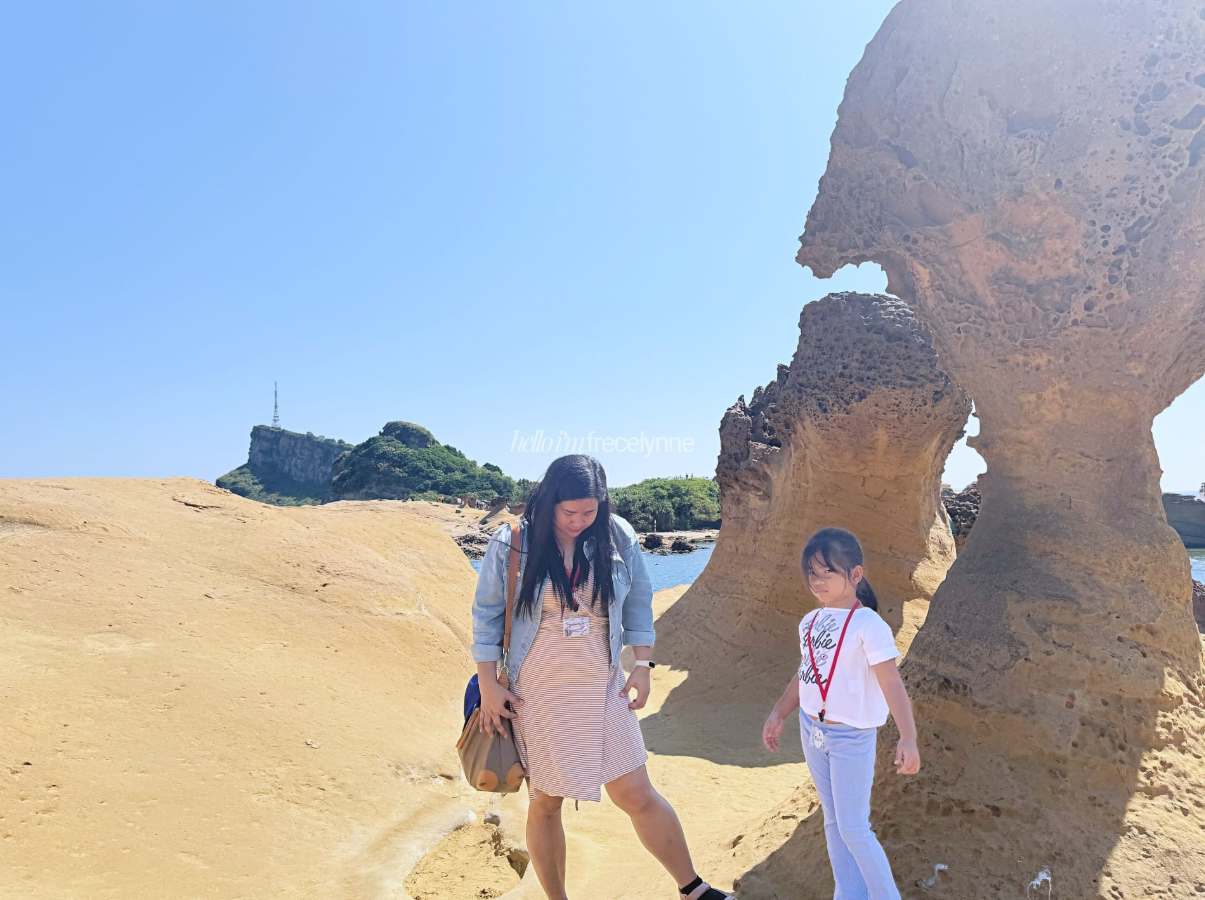
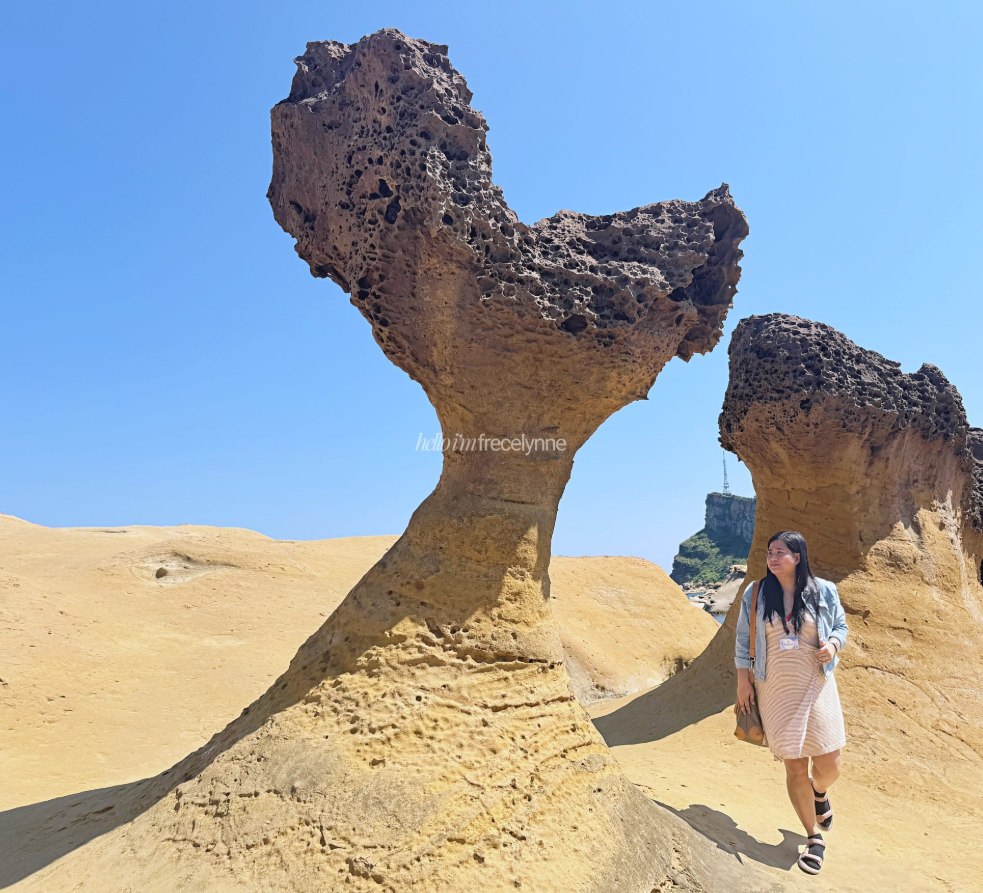
Yehliu Geopark is one of the most visually striking natural attractions in all of Taiwan, and once you see it, you will completely understand why. Stretching about 1,700 meters into the ocean along the northern coast, this dramatic cape is sculpted by thousands of years of marine erosion, wind, and geological movement into a landscape of mushroom rocks, candle rocks, honeycombed formations, and towering sea pillars. The most famous formation is the Queen’s Head, a naturally carved rock that looks uncannily like the profile of a regal woman gazing out to sea.
2. Shifen Old Street and Sky Lanterns
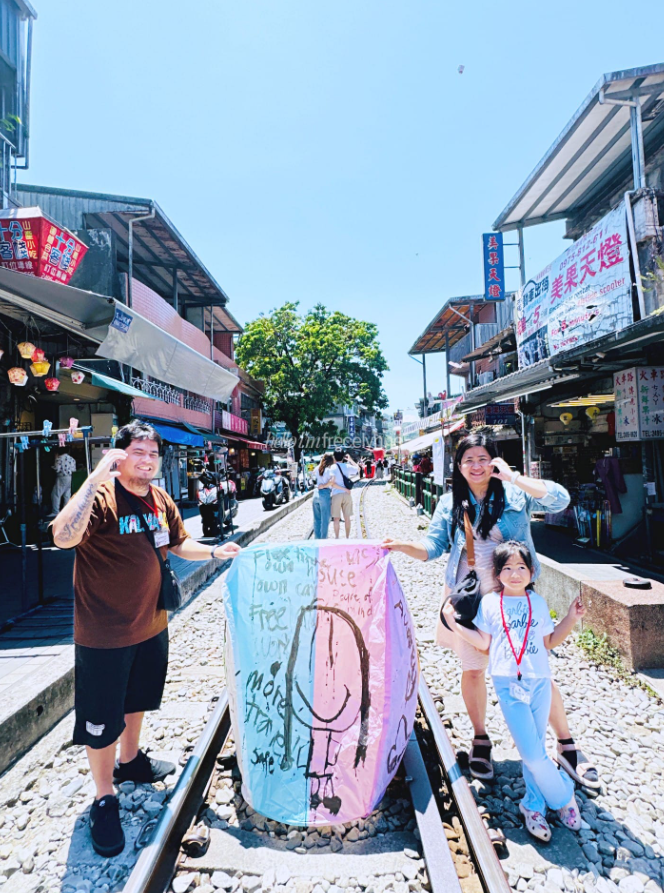
There is something deeply magical about releasing a paper lantern into the sky with your wishes written across it, and Shifen is the best place in Taiwan to do exactly that. This old coal-mining town in the Pingxi District is famous for its sky lantern tradition, where visitors paint their hopes and dreams onto large handmade lanterns before watching them drift upward above the railway tracks and the forested mountain valley. The street itself is wonderfully quirky — an active train line runs straight down the middle of the main road, so you literally have to step aside as the train rumbles past every hour. Between lantern releases, explore the local food stalls serving bamboo tube rice, scallion pancakes, and other regional snacks. It is one of those experiences that stays with you long after you leave Taiwan.
3. Shifen Waterfall
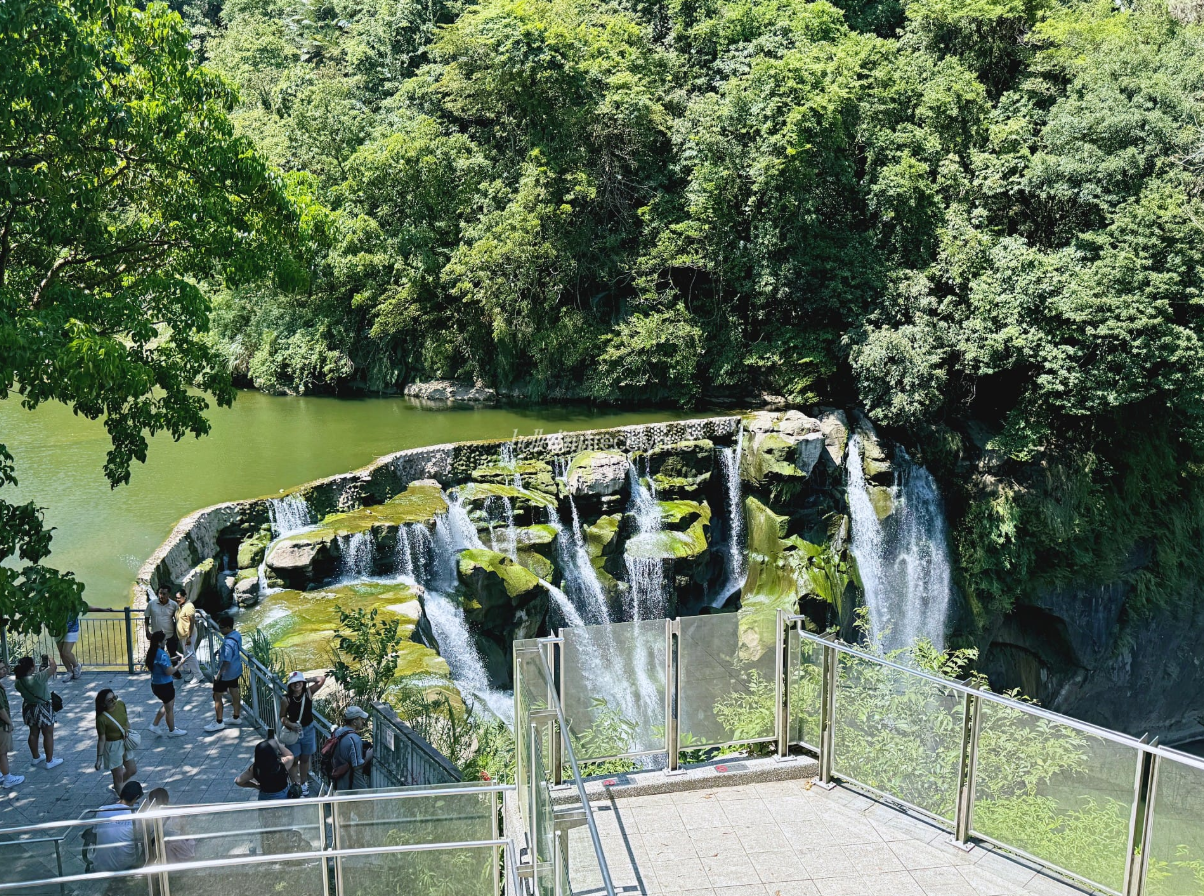
Just a short walk or quick bus ride from Shifen Old Street, Shifen Waterfall earns its nickname as the “Niagara Falls of Taiwan” and it is well deserved. This horseshoe-shaped cascade is the widest and most voluminous waterfall in the country, and the surrounding lush green canyon makes it even more spectacular in person than in photos. Unlike most waterfalls in Asia where you view from a distance, Shifen lets you get remarkably close to the base, where the mist and the roar of the water are absolutely exhilarating. The walking trail from the parking area to the falls is short and manageable for most fitness levels. Go after a few days of rain if you want to see it at its most powerful and dramatic.
4. Jiufen Old Street
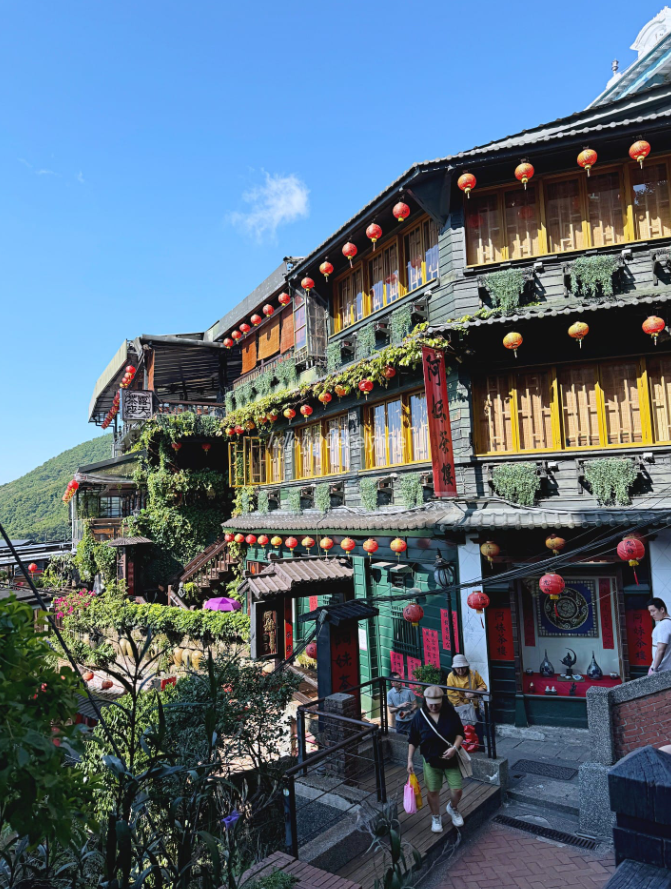
Perched dramatically on a hillside overlooking the northeastern coast, Jiufen Old Street is one of the most atmospheric and photogenic destinations in all of Taiwan, and it is technically within New Taipei City’s boundaries (Ruifang District). The village’s narrow stone-paved lanes, traditional red lanterns, old teahouses built into the cliffs, and sweeping ocean views below give it an almost otherworldly quality that many travelers compare to scenes from Studio Ghibli’s “Spirited Away.” Wander through the main alley lined with snack vendors selling taro balls, peanut ice cream rolls, and freshly made fish balls, then duck into one of the classic teahouses for a pot of oolong and an hour of simply taking it all in.
5. Tamsui Old Street
.jpg)
Tamsui (also spelled Danshui) is one of the most beloved riverside towns in Taiwan, and its old street is the kind of place you can happily wander for hours without a plan. Stretching along the banks of the Tamsui River near where it meets the Taiwan Strait, this historic area was once Taiwan’s largest international port and has been a center of culture, trade, and storytelling since the 17th century. Today the boardwalk is lined with vendors selling iron eggs (a Tamsui specialty), fish crackers, and A-gei (fried tofu stuffed with glass noodles), alongside souvenir shops, street performers, and cafes with gorgeous river views. The sunsets here are legendary — the western-facing position over the river mouth creates some of the most spectacular golden-hour skies you will ever see.
6. Tamsui Fisherman’s Wharf and Lover’s Bridge

Just a short bus or ferry ride from Tamsui Old Street, the Fisherman’s Wharf area gives the Tamsui experience a completely different and romantic character. The star attraction here is the Lover’s Bridge, a sweeping white cable-stayed footbridge that arches gracefully over the marina and lights up in changing colors after dark. At night, the entire wharf takes on a magical glow, with the illuminated bridge reflecting on the still water while couples stroll along the promenade and seafood restaurants hum with activity. It is genuinely one of the most romantic spots in greater Taipei, and it works just as well for solo travelers who want a peaceful evening walk. The boat pier here also offers ferry connections across the river to Bali Left Bank Park.
7. Wulai Hot Springs and Waterfall

About 40 minutes south of Taipei by bus, Wulai is a place that feels like a completely different world. This mountainous district is home to Taiwan’s northernmost Atayal indigenous tribe, and the combination of aboriginal culture, thermal hot springs, jungle scenery, and cascading waterfalls makes it one of the most unique day trips from the greater Taipei area. Wulai Old Street is where you start, picking up indigenous specialties like millet wine, bamboo tube rice, and grilled mountain boar before heading to the riverside hot spring pools for a long, restorative soak. The Wulai Waterfall, visible from the end of the old street, is a beautiful 80-meter cascade, and you can ride a scenic narrow-gauge train up to the Wulai Resort area for even more swimming, hiking, and spectacular valley views.
8. Pingxi Old Street and Sky Lantern Festival

While Shifen gets most of the visitor foot traffic for sky lanterns, Pingxi Village is actually the spiritual and cultural home of the tradition, and it draws enormous crowds during the annual Pingxi Sky Lantern Festival held on the 15th day of the Lunar New Year. The village’s cobblestone old street is lined with wooden shophouses from the Japanese colonial era, their weathered facades and hanging lanterns creating an incredibly picturesque scene year-round. Shops sell everything from customizable lanterns in various colors (each color carries a different wish) to local snacks and handmade crafts. The Pingxi train line itself is part of the charm — riding the small commuter train through mountain tunnels and across river bridges to reach the village is half the adventure.
9. Houtong Cat Village

If there is one place in New Taipei City that will melt even the most stoic traveler’s heart, it is Houtong. This former coal-mining village, once nearly abandoned as the mining industry declined, was reborn in the late 2000s when a group of local cat lovers began caring for the town’s resident strays. Today, Houtong is home to over 100 cats that roam freely across the village, perch on rooftops, lounge in shop windows, and generally own the place with complete and utter confidence. A dedicated cat walkway above the train tracks connects the residential area to the main shops and cafes, all of which are cat-themed. Even if you are not a dedicated cat person, the village’s peaceful mountain valley setting and its remarkable story of community-driven revitalization make it well worth the short train ride from Ruifang.
10. Jinguashi Gold Ecological Park

Neighboring Jiufen in the Ruifang District, Jinguashi was once one of the richest gold and copper mining sites in Asia during the Japanese colonial period, and today its dramatic industrial ruins draped over the coastal hillsides make for a hauntingly beautiful attraction. The Gold Ecological Park encompasses the old mining facilities, a gold museum, and a fascinating underground mine tunnel that visitors can walk through to experience what mining life was actually like. Hike up to Teapot Mountain for sweeping views of the coastline and the surreal Golden Waterfall below, where the runoff from old mine shafts has stained the rocks and stream a vivid amber-gold color. It pairs perfectly with a visit to Jiufen just next door and makes for a rich full-day exploration of New Taipei’s northeast coast.
11. Sanxia Old Street

Sanxia is often overlooked in favor of the more famous old streets in the region, and that is honestly its greatest charm. This beautifully preserved Baroque-style commercial street in southwestern New Taipei City is one of the longest and most architecturally cohesive historical streets in Taiwan, with red-brick colonnaded shophouses dating back to the Japanese occupation era stretching gracefully in both directions. The street is famous for its traditional bull-horn bread (a local pastry specialty), hand-dyed indigo fabric, and the magnificent Qingshui Zushi Temple at the end of the street — a masterpiece of traditional Taiwanese religious architecture that took decades to complete and is covered in incredibly intricate stone and bronze carvings. Come on a weekday for a more relaxed experience and make sure you try the freshly baked bull-horn bread while it is warm.
12. Yingge Ceramics District

Paired with Sanxia for a perfect half-day cultural combo, Yingge is Taiwan’s undisputed ceramics capital and a destination that is as fascinating for design lovers as it is for casual shoppers. This small town has been producing pottery for over 200 years, and its Old Street is packed with studios, galleries, and shops selling everything from hand-thrown teacups and sculptural art pieces to affordable everyday ceramics and quirky tile work. The New Taipei City Yingge Ceramics Museum is one of the best specialty museums in Taiwan, offering beautifully designed exhibits on the history of ceramics in Taiwan and interactive pottery-making experiences. Even if you do not consider yourself a ceramics enthusiast, wandering through Yingge’s lanes and watching craftspeople at work is genuinely absorbing.
13. Fort San Domingo (Tamsui)

Perched on a hill overlooking the Tamsui River, Fort San Domingo is one of the oldest and most historically layered heritage sites in all of Taiwan. Originally built by the Spanish in 1629 and later expanded by the Dutch, the red-brick fort has served as a military stronghold, a colonial administrative center, and even the British Consulate from the 19th century into the 1970s. Today, the fort and the adjacent former British Consulate building are beautifully preserved as a museum, and exploring the grounds gives you a vivid sense of how deeply Taiwan’s history has been shaped by waves of foreign presence. The hilltop location also provides wonderful views of the river and the surrounding landscape. Entry is very affordable and the site is within easy walking distance of Tamsui Old Street.
14. Fulong Beach

Taiwan does not always get the beach credit it deserves, and Fulong Beach on New Taipei City’s northeastern coast is one of the country’s most popular stretches of sand. Backed by green mountains and fronted by clear blue water, the beach is wide and clean, with gentle waves that make it suitable for swimming and surfing as well as simple sunbathing. The annual Ho-Hai-Yan Rock Festival, one of Taiwan’s largest outdoor music festivals, takes place here every summer and draws massive crowds. Even outside festival season, Fulong is a wonderful coastal escape — you can rent bikes and cycle along the scenic coastal paths, sample seafood at the local restaurants, and enjoy the kind of wide-open sea air that is hard to find anywhere closer to the city.
15. Bali Left Bank Park

Directly across the Tamsui River from Tamsui town, the Bali Left Bank is a scenic riverside park that offers one of the best views of the Tamsui skyline, the distant mountains, and the gorgeous sunsets that make this part of New Taipei so special. You can reach Bali by ferry from Tamsui in about ten minutes, making it a fun little river crossing adventure. The park area is popular with cyclists (a dedicated bike path runs along the riverbank), picnickers, and families enjoying the waterfront. The Left Bank is also home to the Archaeological Site of Shisanhang, an important prehistoric site with a small museum dedicated to the ancient Shisanhang people who lived here over 1,800 years ago — a surprisingly fascinating stop that adds real depth to the visit.
16. Caoling Historic Trail

For hikers looking for a trail that combines Taiwan’s natural beauty with a genuine sense of history, the Caoling Historic Trail is one of the finest options in the greater Taipei area. This ancient pathway, first carved by Qing Dynasty settlers in the 1800s, stretches about 14 kilometers along the mountains between the Gongliao and Dali districts of New Taipei City, winding through dense subtropical forest and opening up to dramatic panoramic views of the Pacific Ocean along the way. Spring brings beautiful wildflowers and ferns along the path, while autumn keeps the humidity manageable for longer hikes. The trail passes through a section of the Northeast Coast National Scenic Area, and the views from the highest ridgeline points out over the blue Pacific are breathtaking in the truest sense of the word.
17. Laomei Green Reef
.jpg)
Here is one for the photography obsessives and natural wonder seekers. Every spring, from roughly March to May, an extraordinary thing happens on the rocky shores of Laomei in Shimen District: the tidal platforms along the coast become blanketed in brilliant emerald green algae, creating a surreal carpet of vivid color against the dark volcanic rock and crashing ocean waves. It is one of the most striking natural phenomena in Taiwan and draws photographers and visitors from all over Asia during the short season it appears. Outside of algae season, the coastline is still scenic and dramatic, with the Fugui Cape Lighthouse nearby offering additional coastal views.
18. Wulai Aboriginal Cultural Village

Beyond the hot springs and the waterfall, Wulai offers something even more rare and meaningful — a genuine window into Taiwan’s Atayal indigenous culture that most international visitors never get to experience. The Wulai Aboriginal Cultural Village, accessible by the narrow scenic train from Wulai Old Street, offers traditional music and dance performances, indigenous craft demonstrations, and locally prepared aboriginal cuisine that reflects ingredients and techniques passed down through generations. The area surrounding the village has excellent trails through old-growth forest and along the river gorge, and the combination of cultural immersion and natural adventure makes Wulai one of the most rewarding day trips you can take from the greater Taipei area. It is a reminder that Taiwan’s story stretches back far beyond its colonial and modern history.
19. Xiao Wulai Ecological Park (Thousand Island Lake)

Tucked in the mountains of Xindian District, the Xiao Wulai Ecological Park — popularly known as Thousand Island Lake — is a stunningly beautiful emerald reservoir surrounded by lush green forested peaks. The boat tour across the reservoir is the highlight, giving you that classic aerial view of the winding lake dotted with small tree-covered islands that makes it look like it belongs in southern China. The calm water, reflected mountains, and the absolute quiet of the surrounding nature make this a deeply peaceful escape from the city. The park also has trails, suspension bridges, and local aboriginal culture experiences on site. Most visitors combine this with a stop in Wulai on the same day, making for a rich and varied day in New Taipei’s southern mountains.
20. Lin Family Mansion and Garden (Banqiao)
_i.jpg)
Right in the heart of Banqiao District, the Lin Family Mansion and Garden is the finest example of traditional Chinese garden architecture in Taiwan and a genuine hidden gem that most international visitors skip entirely. Built by the powerful Lin family during the Qing Dynasty and expanded over several generations, this sprawling complex of pavilions, ponds, moon gates, covered walkways, bamboo groves, and rock formations is the kind of place that invites you to slow completely down and wander at your own pace. The garden design follows classical southern Chinese principles, with every corner carefully composed to frame a view or create a moment of peaceful surprise. It is a living piece of history and one of the most beautiful places in all of New Taipei City.
New Taipei City is proof that the best parts of Taiwan often hide just beyond the headlines. Yes, Taipei city gets the glory — and it deserves every bit of it. But New Taipei? This is where you find the soul of the island. The mountain villages that glow with lantern light, the coastlines shaped by millions of years of ocean and wind, the hot spring valleys where indigenous traditions run deep, and the old streets where Taiwanese identity was quietly forged across centuries of history.
The top tourist spots in New Taipei City covered in this guide are just the beginning. Every district in this sprawling and beautiful city has something to offer, and the more you explore, the more layers you discover. My honest advice is to spend at least two to three days here beyond your Taipei itinerary. Rent a scooter if you are confident enough, or use the MRT and public buses, and just go. Some of the best moments you will have in Taiwan are waiting for you just outside the city limits.
New Taipei City is ready for you. Go see it.
Found this guide helpful? Share it with your travel crew and pin it for your Taiwan trip planning!
Leave a Reply