
San Juan is one of the smallest cities in Metro Manila, but it holds more church history than its size suggests. The city takes its name from Saint John the Baptist, and the landscape around it, once described as “San Juan del Monte” or Saint John of the Mountain, shaped the character of the parishes that grew here. Because San Juan has fewer churches on its own, this guide also covers nearby churches in Quezon City and Mandaluyong that make practical sense to include in a combined Visita Iglesia route. Here’s a guide to the beautiful churches in San Juan and the surrounding area worth visiting this Holy Week.
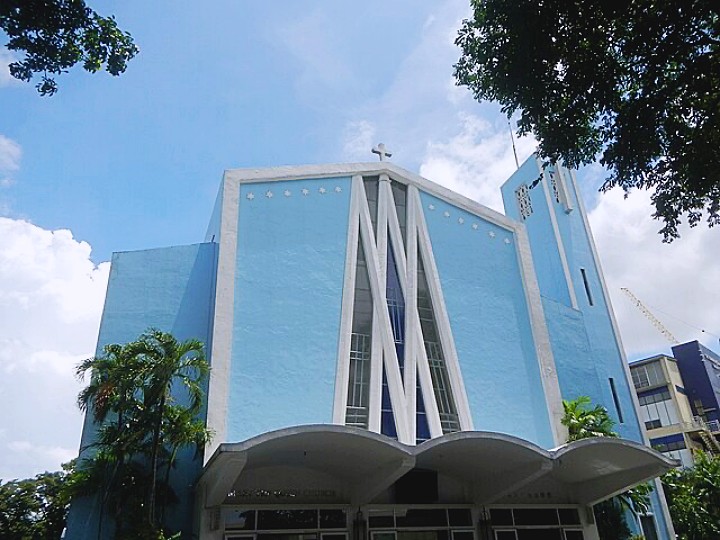
Mary The Queen Parish
Madison St., Little Baguio, San Juan Facebook
Mary the Queen Parish has an origin story tied to the Filipino-Chinese Catholic community. On September 20, 1954, Archbishop Rufino Santos created it as a Personal Parish for the Chinese faithful, with its original location at Zamora Street in Pasay City. In 1963, the Jesuits purchased land in Little Baguio, San Juan, and the parish was relocated here. The cornerstone of the new church was blessed by Cardinal Santos on May 31, 1963, and it was opened to the faithful on the same date in 1965. It sits between Xavier School and Immaculate Conception Academy, rooted in a community of faith that spans cultures and generations.
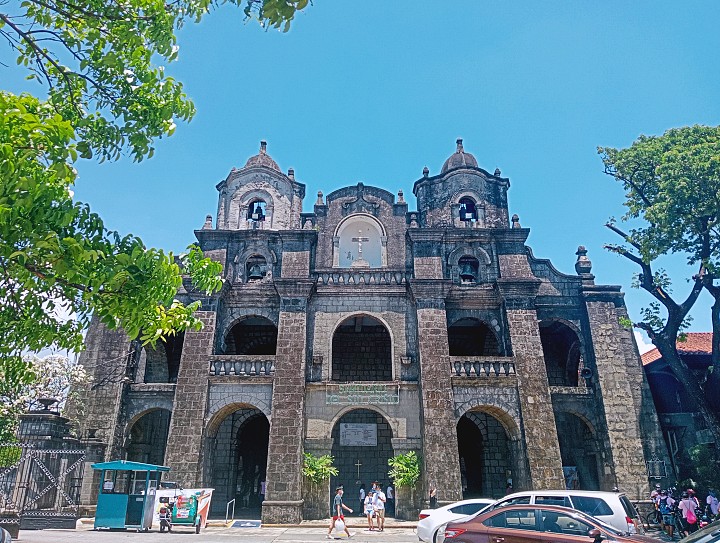
Santuario De Santo Cristo (Church of San Juan del Monte)
183 F. Blumentritt St., San Juan Facebook
This is one of the most historically layered beautiful churches in San Juan, and one of the most significant shrines in Metro Manila. The Dominicans arrived in San Juan in 1602 and built the first church on land donated by Captain Julian de Cuenca. The church was destroyed in the Chinese insurrection of 1639, rebuilt in 1641, destroyed again during the British occupation in 1763, and rebuilt once more in 1774. The church houses the image of the Santo Cristo, originally venerated at Binondo Church before being transferred here in 1641. When the image began performing miracles, devotion spread to surrounding communities and the shrine grew into what one friar described as “the biggest in the Islands and the refuge and consolation of all.” Pope Urban VIII granted approbation to the shrine in 1648, and the Confraternity of the Most Holy Christ of Saint John of the Mountain was established that same year. The present facade, completed in 1978, features twin towers and niches with concrete statues of eight Dominican saints. Sixteen stained glass windows depicting the Stations of the Cross, Dominican saints, and the Four Evangelists were installed in 1968, designed by Cenon Rivera, former Dean of Fine Arts at the University of Santo Tomas. The two century-old acacia trees beside the church were declared heritage trees in 2016. For your Visita Iglesia route, this shrine is the anchor stop in San Juan.
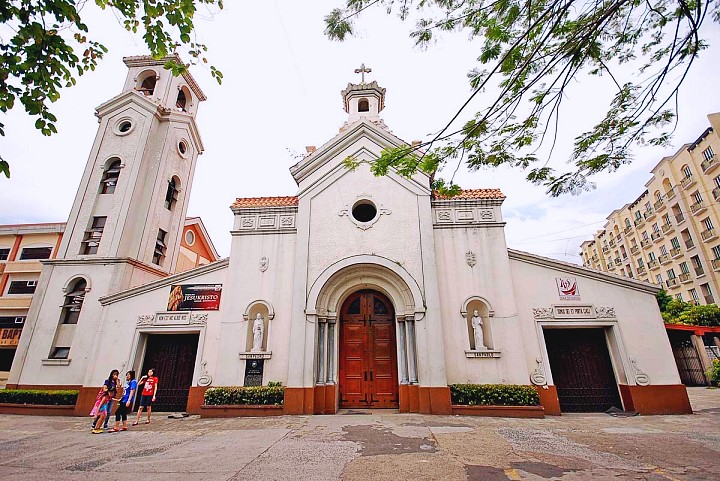
St. John the Baptist Parish (Pinaglabanan Church)
140 Pinaglabanan St., Barangay Pedro Cruz, San Juan City Facebook
Pinaglabanan Church is one of the most historically significant beautiful churches in San Juan, and the area around it carries a weight that goes beyond religion. The parish was established on July 15, 1894, and the church was built on the tract of land where, on August 30, 1896, the Battle of San Juan del Monte took place between Filipino and Spanish troops, one of the first battles of the Philippine Revolution. The word Pinaglabanan is Tagalog for battleground. The church was designed in Neo-Romanesque style by architect Luis Arellano and enshrines a centuries-old image of John the Baptist. On May 15, 1994, Cardinal Jaime Sin blessed the San Juan Centennial Belfry, built to mark the church’s hundredth anniversary and housing the original church bell from 1896. On June 24, 2024, Cardinal Jose Advincula bestowed the title of Archdiocesan Shrine on the parish and opened a Holy Door to mark its 130th Jubilee Year.
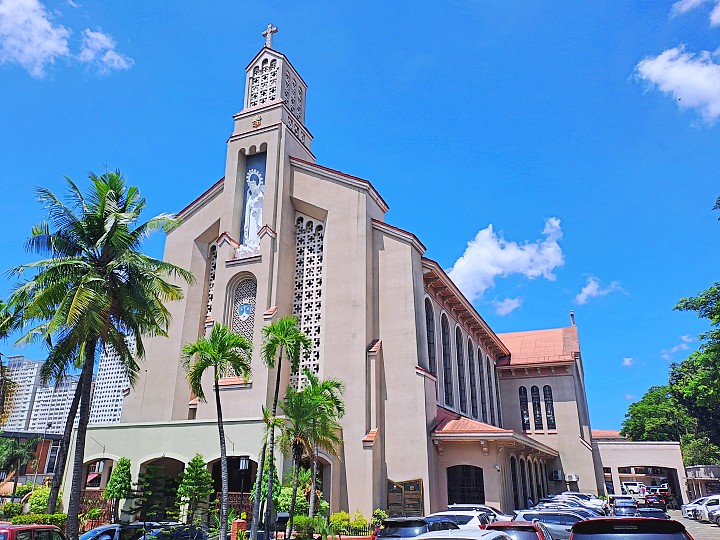
National Shrine of Our Lady of Mount Carmel (Minor Basilica)
90 4th St., New Manila, Quezon City Facebook
Just across the border from San Juan in New Manila, Quezon City, this Minor Basilica is a natural addition to any Visita Iglesia route that begins in San Juan. The National Shrine of Our Lady of Mount Carmel holds the distinction of being a Minor Basilica under the Diocese of Cubao, and its Marian dedication to Our Lady of Mount Carmel draws devotees from across Metro Manila. The proximity to San Juan makes it a practical and prayerful stop to pair with the Pinaglabanan Church and Santuario de Santo Cristo.
St. Joseph Parish, Camp Crame
Camp Crame, Quezon City
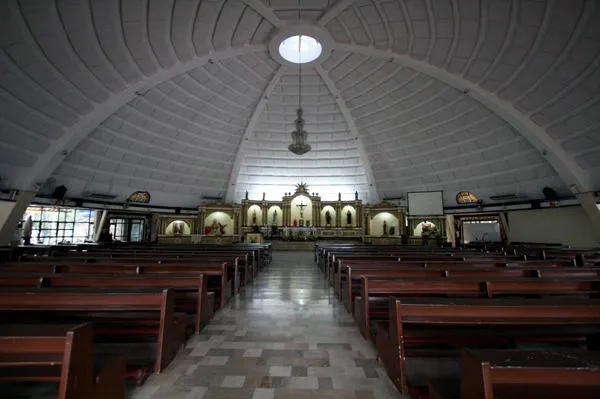
St. Joseph Parish inside Camp Crame serves the military community of the Philippine National Police headquarters and their families. It is a community church in the truest sense, built to serve those who live and work within the camp. During Visita Iglesia, it offers a quieter, more reflective stop compared to the larger shrines nearby.
Santuario De San Jose (East Greenhills, Mandaluyong)
Buffalo cor. Duke Sts., East Greenhills, Mandaluyong City Facebook
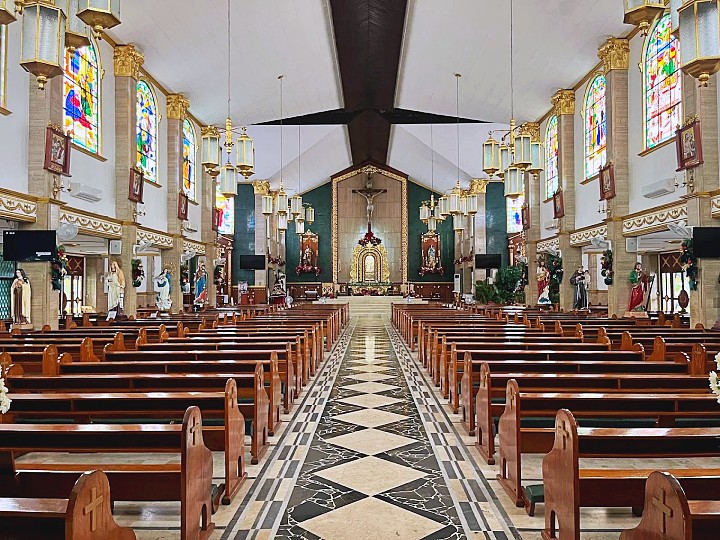
Because San Juan sits directly beside Mandaluyong, the Santuario de San Jose in East Greenhills is a natural extension of any Visita Iglesia route starting in San Juan. The church was consecrated on April 2, 1966, built on land donated by the Ortigas Company. It is run by the Oblates of St. Joseph and now serves over 100,000 parishioners. The principal feast is on March 19, the Solemnity of St. Joseph.
San Felipe Neri Parish (Mandaluyong)
Corner Boni Avenue and Rt. Rev. G. Aglipay St., Mandaluyong Facebook
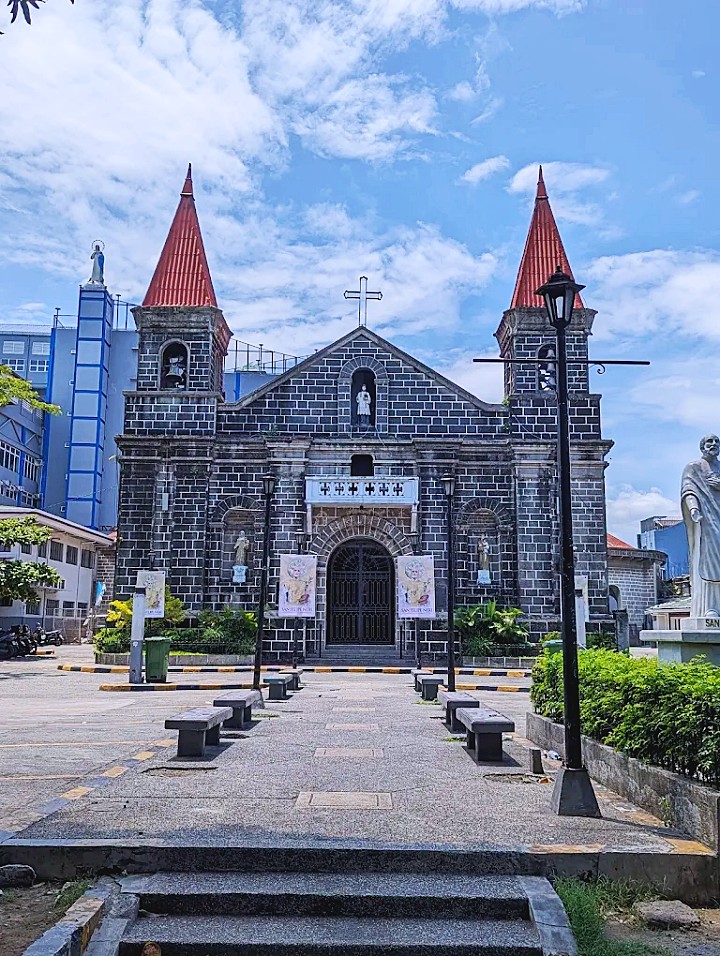
San Felipe Neri Parish is the Mother Church of Mandaluyong City, established by the Franciscan Friars and declared a parish on October 30, 1863. It covers seven barangays of Mandaluyong and celebrates two significant feasts: the Immaculate Concepción de Mandaluyong on December 8, the city’s principal patroness, and San Felipe Neri on May 26. It was rededicated according to the Rites of Vatican II on December 1, 2013. Given its proximity to San Juan along Boni Avenue, it is a practical and historically meaningful stop to close out your combined Visita Iglesia route through the beautiful churches in San Juan and surrounding cities.
Explore More Beautiful Churches in Metro Manila
Your Visita Iglesia journey doesn’t stop here. We’ve put together city-by-city guides to help you plan your Holy Week route across Metro Manila, one church at a time.
See All Beautiful Churches Here
Leave a Reply