
Caloocan is one of Metro Manila’s most populous cities, and it is divided into two separate geographic sections with no shared border between them. North Caloocan covers the larger residential and barangay areas like Camarin and Bagumbong, while South Caloocan holds the older, more historically rooted part of the city near the Poblacion. For your Visita Iglesia route, that means some planning is needed because moving between the two areas takes time. The beautiful churches in Caloocan across both sections tell very different stories, from communities built on farmland in the 1990s to a cathedral that stood at the center of the Philippine Revolution and two World Wars.
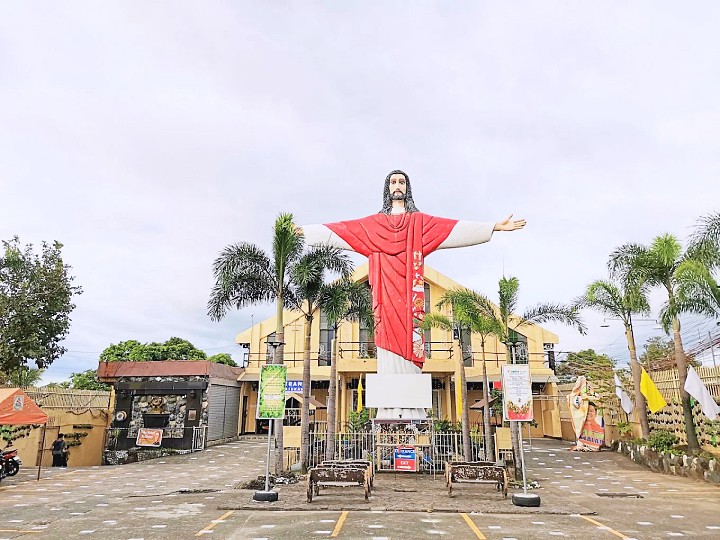
Epiphany of the Lord Parish
Camarin Rd., Barangay 178, Kiko, Camarin, Caloocan Facebook
Epiphany of the Lord Parish was established in 1997 under the Roman Catholic Diocese of Novaliches, serving the Camarin community in North Caloocan. The parish celebrates its fiesta on the first Sunday of January, commemorating the Epiphany of the Lord, the feast of the Three Kings who traveled from afar to find Christ. The community that gathered around this parish represents the kind of growth that defines North Caloocan, residential developments that needed parishes as quickly as families moved in. Among the beautiful churches in Caloocan in the northern part of the city, this is a young parish with a growing and active congregation.
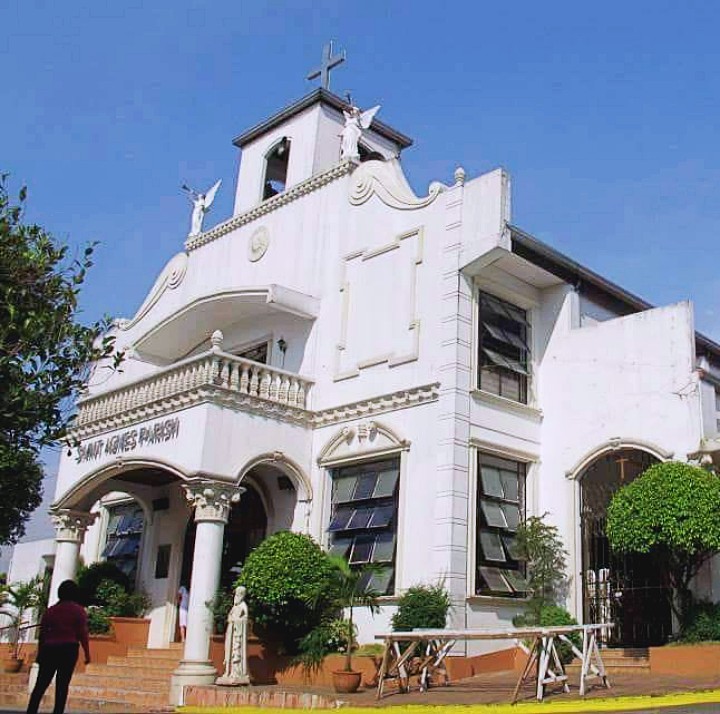
Saint Agnes Parish
Rosas St. corner Champaca St., Almar Subdivision, Camarin, Caloocan Facebook
Saint Agnes Parish has been serving the Almar Subdivision community in Camarin since around 1987, under the Diocese of Novaliches. The parish covers Barangays 174, 175, 177, and 178, and provides community outreach alongside its regular spiritual and sacramental life. Saint Agnes of Rome, the patron of this church, is one of the early martyrs of the Church, a young woman who chose death over compromise of her faith. This beautiful church in Caloocan has built its identity around community service in a part of the city that continues to grow.
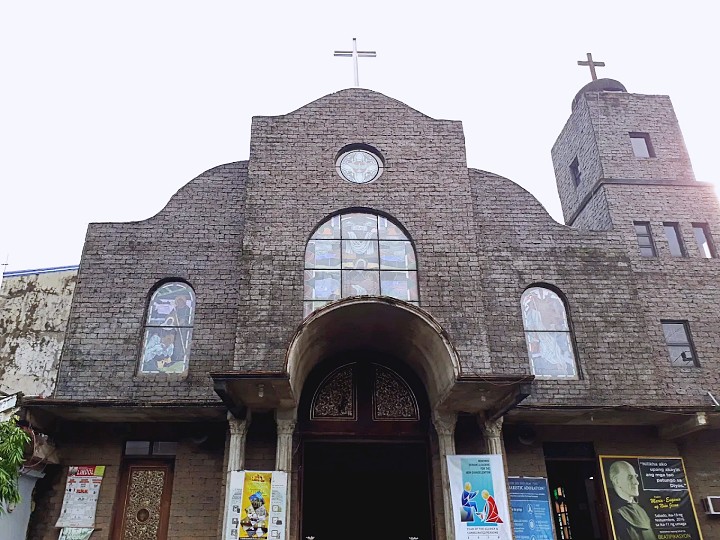
Santa Cruz Parish
A-814 Bagumbong Road, Bagumbong, Caloocan Facebook
Santa Cruz Parish in Bagumbong serves the Diocese of Novaliches and is dedicated to the Holy Cross. The devotion to the Holy Cross carries deep roots in Filipino Catholic tradition, and this parish carries that tradition into one of the more densely populated barangay areas in North Caloocan.
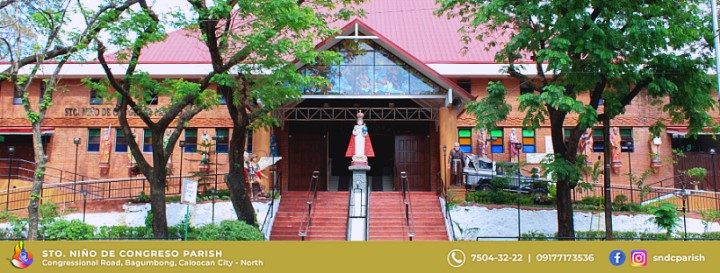
Santo Niño de Congreso Parish
Congressional Rd. Extension, Barangay 173, Bagumbong, Caloocan Facebook
Santo Niño de Congreso Parish was canonically erected on April 19, 1998, by Cardinal Jaime Sin. It began as a sub-parish of Our Lady of Fatima and is now administered by the Missionaries of Our Lady of La Salette. The modern church building, completed around 2019, serves Congress Village in Barangay 173 of North Caloocan. The dedication to the Santo Niño, the Holy Child Jesus, connects this parish to one of the most deeply held devotions in Philippine Catholic life.
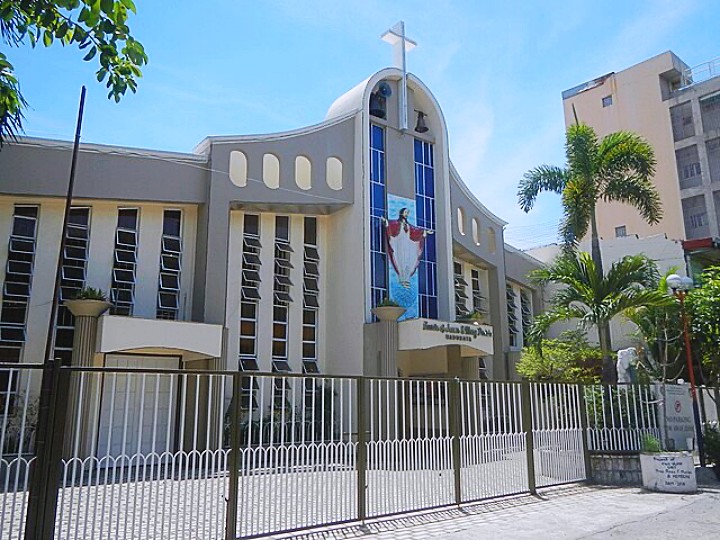
Hearts of Jesus and Mary Parish
Nadurata St., between 7th and 8th Avenues, Grace Park West, Caloocan Facebook
The Hearts of Jesus and Mary Parish in Grace Park traces its community origins to a chapel built in 1952. It was formally established as a parish on January 11, 1976, by Cardinal Jaime Sin, and sits within the Diocese of Kalookan under the Vicariate of Our Lady of Grace. Grace Park is one of the more established residential communities in South Caloocan, and this parish has been at its center for decades. The dual dedication to the Hearts of Jesus and Mary reflects a devotion to both the Sacred Heart and the Immaculate Heart, a pairing that speaks to the inseparable nature of those two devotions in the Filipino Catholic tradition.
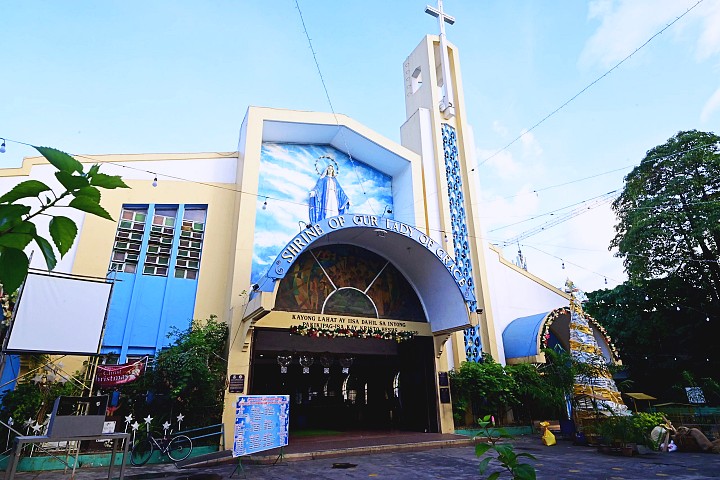
Shrine of Our Lady of Grace
91 Grace Park East, Caloocan Facebook
The Diocesan Shrine of Our Lady of Grace was established on May 5, 1946, by the Oblates of Mary Immaculate in Grace Park, Caloocan. It is one of the most historically significant beautiful churches in Caloocan, and a recognized pilgrimage site for the Jubilee Year 2025. Known for its open and airy design, the shrine draws devotees from across the diocese and beyond. The Oblates of Mary Immaculate have long been associated with mission work among marginalized communities, and their presence in Grace Park since 1946 reflects that same commitment.
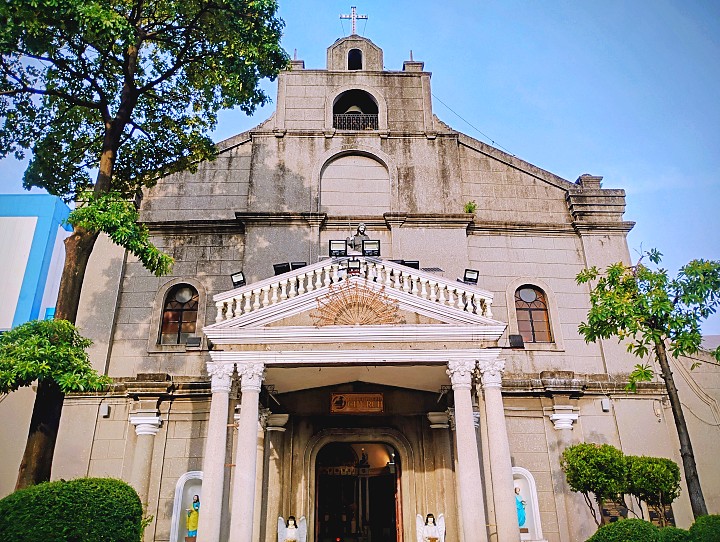
San Roque Cathedral (Caloocan Cathedral)
Mabini St. corner 10th Ave., Poblacion, Caloocan Facebook
San Roque Cathedral is the seat of the Diocese of Caloocan and the most historically significant of all the beautiful churches in Caloocan. Its story begins in 1765, when assistant priest Manuel Vaquero of Tondo built a small chapel in the district of Libis Aromahan and gave the community two statues: San Roque and the Nuestra Señora de la Soterraña de Nieva. The church was formally erected a parish on April 8, 1815, by Archbishop Juan Antonio de Zulaibar, with Manuel de San Miguel as the first parish priest. Construction on a larger church began in 1819 and was completed in 1847.
The church’s position in Philippine history goes beyond its walls. During the revolution against Spain, Katipuneros from Manila’s west coast used San Roque as a meeting point on their way to Balintawak. On February 10, 1899, during the Philippine-American War, General Antonio Luna sought refuge here, and American forces partly destroyed the church when they captured it. The Americans then used the grounds as a field hospital, and later General Arthur MacArthur Jr.’s regiment converted it into a stable.
The church was reconstructed in 1914 and has gone through multiple renovations since. Pope John Paul II created the Diocese of Kalookan on June 28, 2003, and elevated San Roque to a cathedral, with Bishop Deogracias Iñiguez as its first bishop. On December 12, 2015, the newly renovated altar-sanctuary was formally dedicated by Apostolic Administrator Francisco Mendoza de Leon. A relic from the bone of San Roque, gifted by Pope Francis for the cathedral’s 200th anniversary, was deposited into the altar table during that dedication rite. A second bone relic arrived from the Chapel of the Holy Relics in Cebu in August 2017. Today, Pablo Virgilio Cardinal David, the Bishop of Kalookan, serves as the cathedral’s present parish priest.
For your Visita Iglesia route through the beautiful churches in Caloocan, this cathedral is the essential stop, the one that has held its place through colonization, revolution, war, and the slow growth of a city around it.
Explore More Beautiful Churches in Metro Manila
Your Visita Iglesia journey doesn’t stop here. We’ve put together city-by-city guides to help you plan your Holy Week route across Metro Manila, one church at a time.
See All Beautiful Churches Here
Leave a Reply