
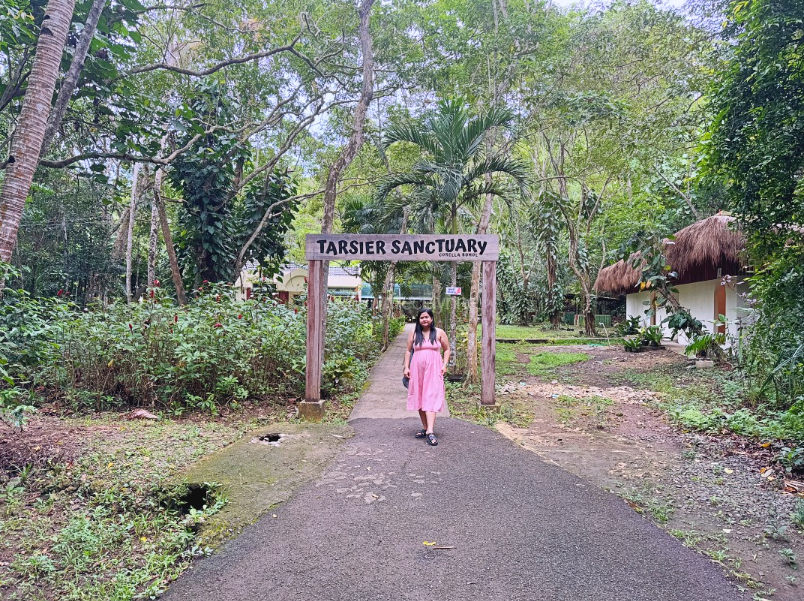
If you’re visiting Bohol and tarsiers are on your list, you’ll quickly find out there are two popular places to see them. There’s the Tarsier Sanctuary in Corella, run by the Philippine Tarsier Foundation, and the Bohol Tarsier Conservation in Bilar. I’ve been to both, and I’ll tell you upfront: if you care about seeing these animals in a responsible, meaningful way, Corella is the one to choose.
Our Experience
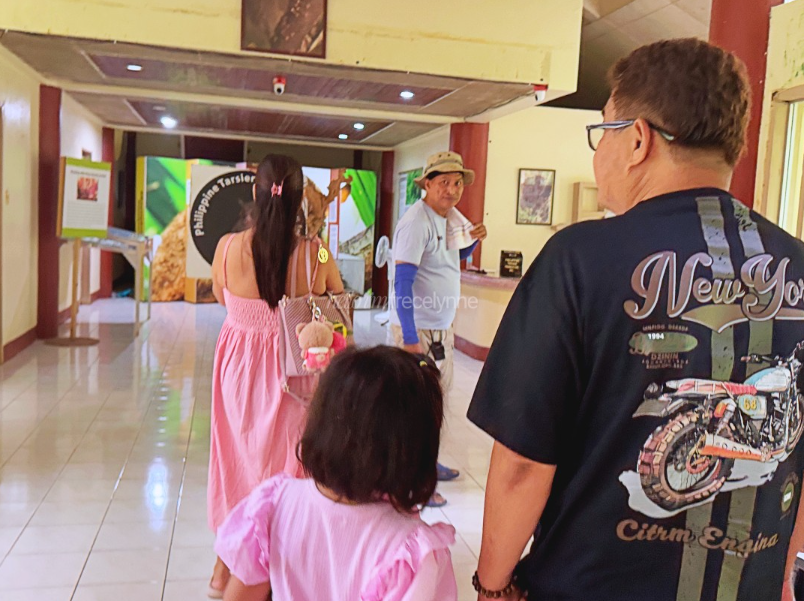
We arrived around 2 in the afternoon. The air was cooler than the rest of Bohol, and the surroundings were green and forested in a way that felt genuinely wild.
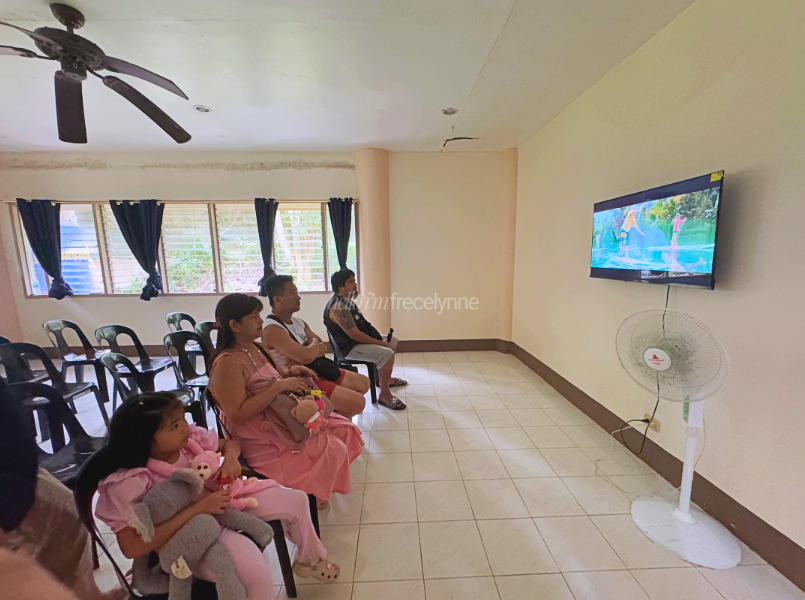
Before the tour starts, everyone is required to watch a short five-minute video about the foundation and its work. It’s not optional, and it shouldn’t be. The video sets the tone for the whole visit and makes sure everyone understands what they’re walking into.
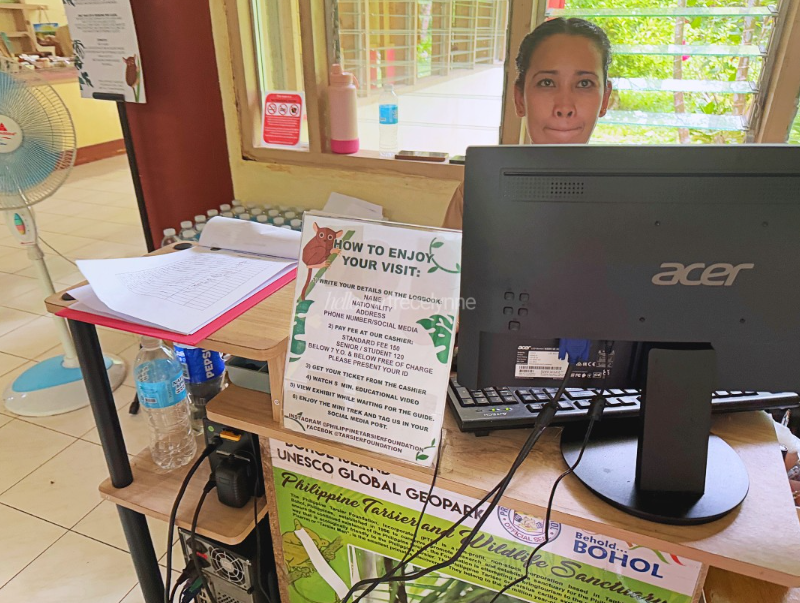
The rules are simple and firm. No flash. All devices on silent mode. No talking inside the forest. Walk softly. If you want to take a photo, zoom in and keep your distance.
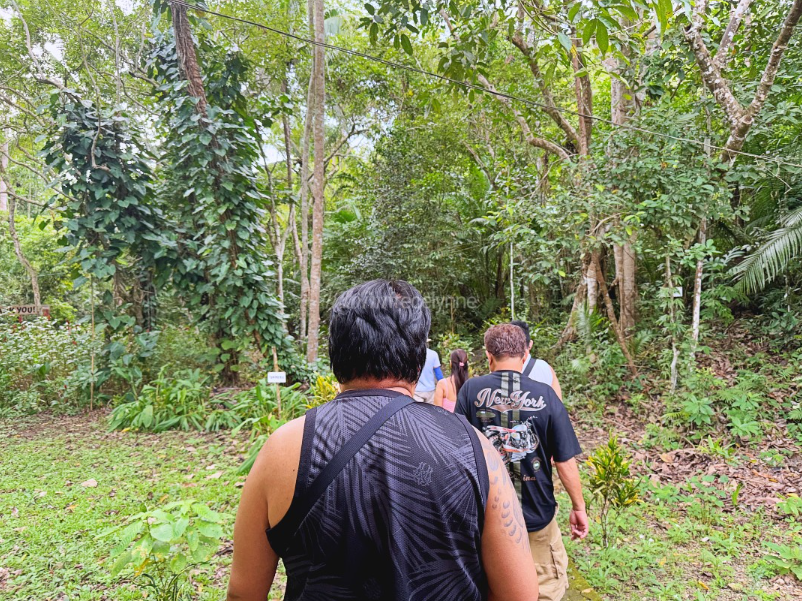
Our guide was calm and quiet throughout, moving slowly and pointing out tarsiers without disturbing them. There were no more than six of us per guide, which kept things unhurried and respectful.
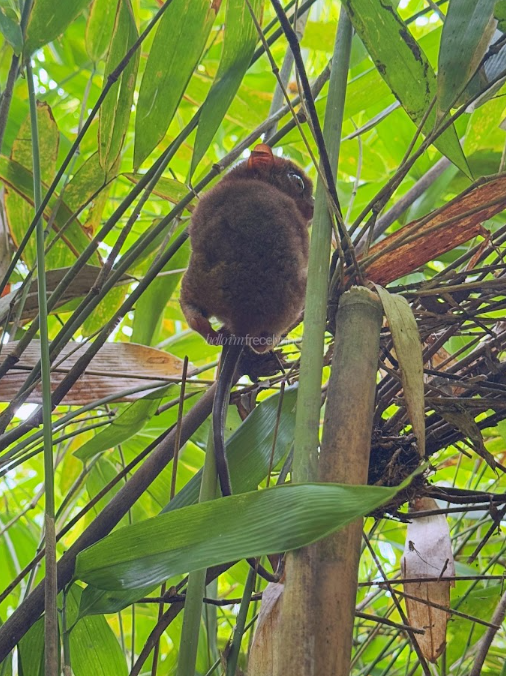
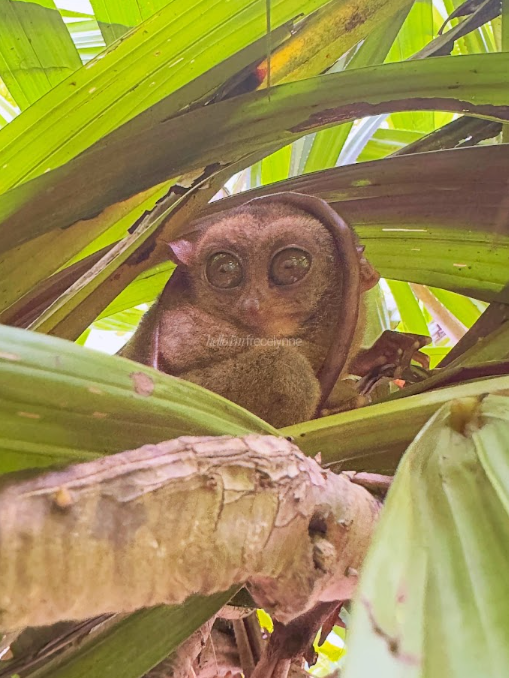
We saw about three tarsiers during the trek. They were tiny, still, and completely unbothered by us, which is exactly how it should be.
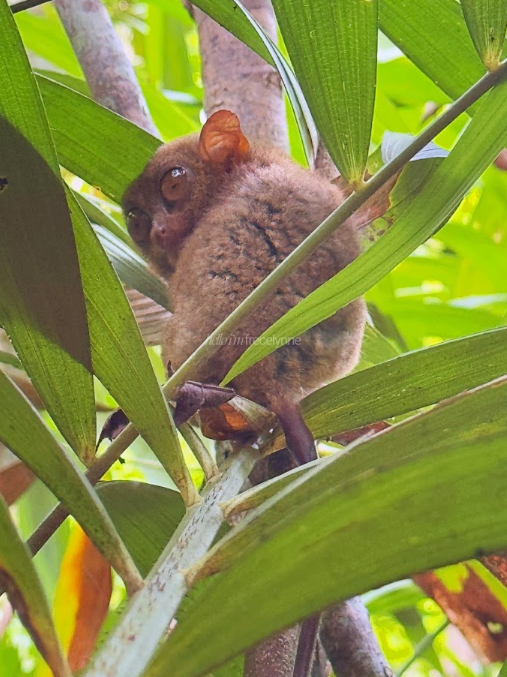
The guide knew exactly where to look, and every time he found one, he’d gesture quietly and let us observe. We didn’t pose. There are no handlers placing tarsiers on branches for photos. We just moved carefully through their forest.
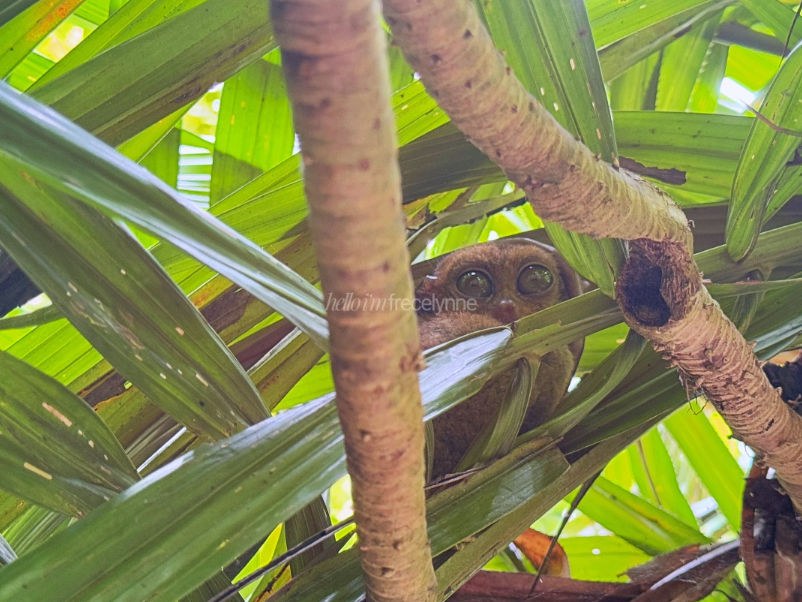
The tour takes about half an hour from start to finish, including the video. The actual time inside the forest is shorter, maybe 10 to 15 minutes of active viewing, but the experience feels complete. You leave knowing you saw something real.
Bonus: the restrooms on site are clean and well-maintained, which I always notice and appreciate when traveling with a kid.
About the Tarsier Sanctuary
The Philippine Tarsier and Wildlife Sanctuary sits in the secondary growth forest of Canapnapan, Corella, in the interior part of Bohol Island. It’s run by the Philippine Tarsier Foundation, Inc., a non-stock, non-profit organization established in 1996 with one clear goal: to protect the Philippine Tarsier and its habitat from extinction.
The foundation came together after Jesus Alvarez Jr., a pioneer in Philippine nature conservancy, visited Bohol and saw the urgent need for a more organized effort to halt the decline of the indigenous tarsier population. On April 17, 1996, the Philippine Tarsier Foundation was formally registered, and by 1997, a memorandum of agreement with the DENR gave birth to the Tarsier Conservation Program.
The sanctuary covers 8.4 hectares of dedicated conservation forest. Beyond what visitors see during the tour, the foundation runs active research programs including data collection, captive breeding, rehabilitation, and partnerships with universities and research institutions worldwide. Your entrance fee directly supports all of this: the staff, the maintenance, and the science behind it.
That’s what separates this place from the other tarsier stop in Bilar. The Bohol Tarsier Conservation in Bilar is more set up for tourism. Tarsiers are placed on branches, easy to find, easy to photograph. It’s a more straightforward experience, and I understand why some visitors prefer it. But in Corella, you exert a little effort. You search. You wait. You earn the sighting. And the tarsiers you see are living as close to their natural lives as possible, not performing for cameras.
I’ll say it plainly: if you see one tarsier, you’ve seen them. What matters is how you saw it.
It’s also worth noting that Bohol Island was officially declared the Philippines’ first UNESCO Global Geopark on May 24, adding another layer of significance to the island’s natural heritage. The tarsier is one of Bohol’s most iconic symbols, and protecting it is part of protecting everything that makes this island worth visiting.
Tickets and Rates
The entrance fee is PHP 150 per person. Children seven years old and below enter for free. Senior citizens and students receive a 20% discount.
The sanctuary is open daily from 9:00 AM to 4:00 PM. All visits are guided, and groups are capped at six persons per guide.
Planning Your Visit
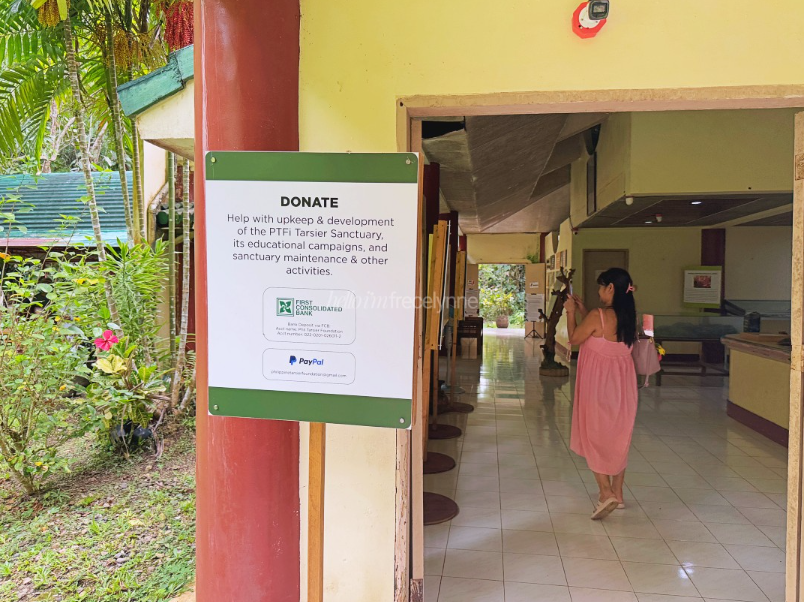
The Tarsier Sanctuary in Corella is about a 30-minute drive from Tagbilaran City. Most Bohol countryside tour packages include it alongside the Chocolate Hills and the Bilar Man-Made Forest, so it fits naturally into a full-day itinerary.
From the reception area, you can either walk about five minutes to the sanctuary entrance or take the free shuttle. The walk is easy and flat, so don’t let that stop you.
Come ready to be quiet. That’s the most important thing you can do. These are nocturnal animals, which means every visit happens during their sleeping hours. The least we can do is make as little disruption as possible. Keep your phone on silent, resist the urge to tap the branches or get close, and follow your guide without question.
Wear comfortable shoes and light clothing. The forest is cooler than the rest of Bohol, but you’ll still feel the humidity. And if you’re bringing kids, brief them beforehand on the quiet rule. Audrey was prepared, and she did great.
Contact Information
Address: Canapnapan, Corella, Bohol, Philippines
Operating Hours: 9:00 AM to 4:00 PM daily
Website: tarsierfoundation.com
Leave a Reply