
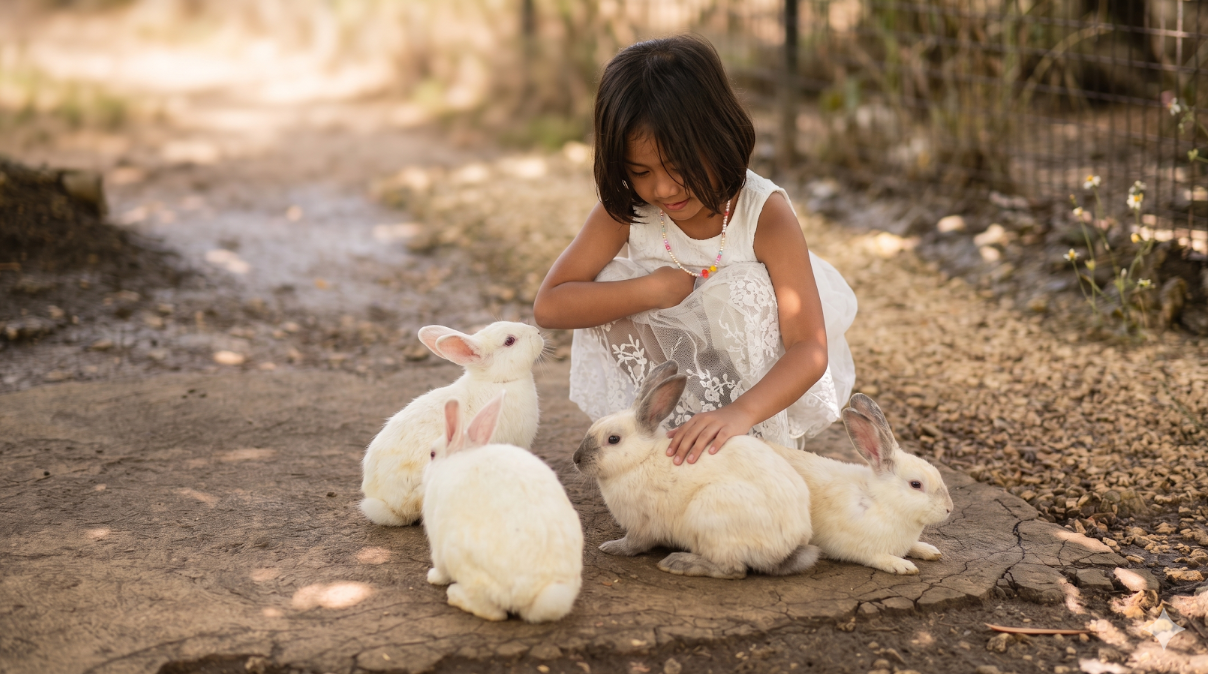
We chose Bohol for our ninth wedding anniversary, and yes, Audrey came with us. That’s just how we travel now. We’re a family of three, and the best celebrations we’ve had are the ones where all of us are present, making memories together.
We stayed at Astoria Bohol and spent the first day or two just being there. The beach was quiet, the pace was slow, and for a couple celebrating nine years of marriage, that felt exactly right. After that, we explored the island, and Bohol gave us more than we expected.
If you’re planning a family trip to Bohol and wondering where to start, this is the list I wish I had before we went. Every place on here is somewhere we actually visited with Audrey. No guesswork, no filler.
Why Bohol Is a Great Destination for Families
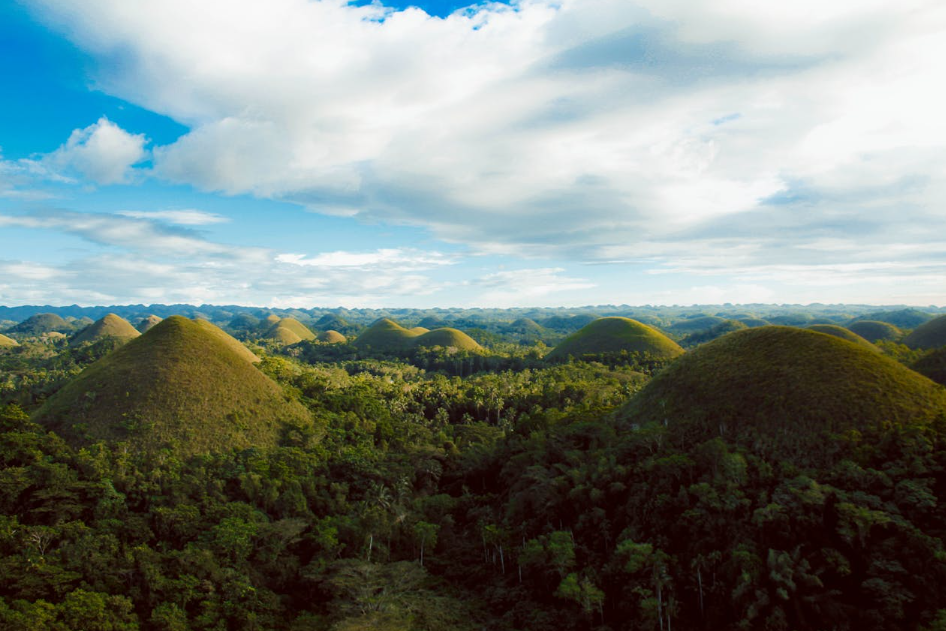
Bohol sits in the heart of the Visayas, about an hour by fast ferry from Cebu City. It’s one of those islands that manages to hold a lot in a small space. You have heritage churches, a geological wonder that looks like it belongs in a fairytale, wildlife you won’t find anywhere else in the world, and beaches calm enough for kids to wade in safely.
In 2024, Bohol Island was officially declared the Philippines’ first UNESCO Global Geopark, recognizing not just the natural landscape but the entire cultural and natural heritage of the island. That’s not just a title. It means Bohol is genuinely one of the most significant places you can take your family in this country.
The island is also easy to navigate. Most of the main Bohol tourist spots are grouped along a countryside route that tour vans can cover in a day. The roads are in decent condition, the drivers are experienced, and the stops are spaced out enough that kids don’t get restless between them.
Here’s what we did, and what I think is worth your time.
Chocolate Hills
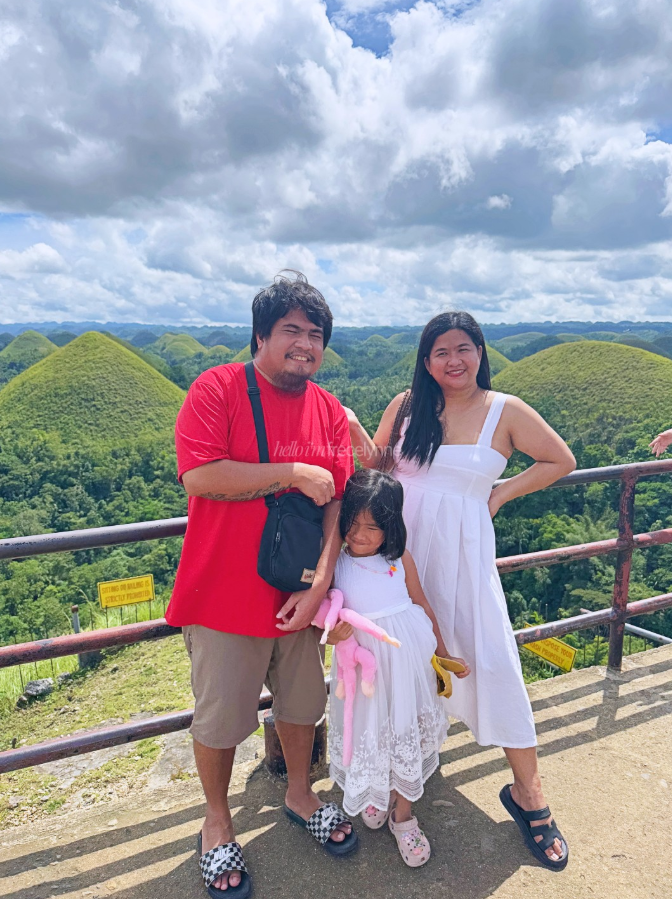
There’s no way to talk about things to do in Bohol with kids without starting here. The Chocolate Hills are exactly as extraordinary as everyone says. We arrived at the Chocolate Hills Complex in Carmen around 11 in the morning, and the view from the top of the 214-step observation deck stopped all of us mid-sentence.
Over a thousand conical hills rolling out in every direction, all roughly the same shape and size. During the dry season, the grass turns brown and the hills look like giant chocolates lined up across the landscape. It’s one of those sights that genuinely doesn’t look real until you’re standing inside it.
The climb up is manageable for kids, but take your time. Some of the steps are narrow and uneven, so hold little ones close on the way down. It gets crowded, especially midday, so arriving early or late afternoon gives you better light for photos and a slightly more relaxed experience. Entrance is PHP 150 per person.
Tarsier Sanctuary
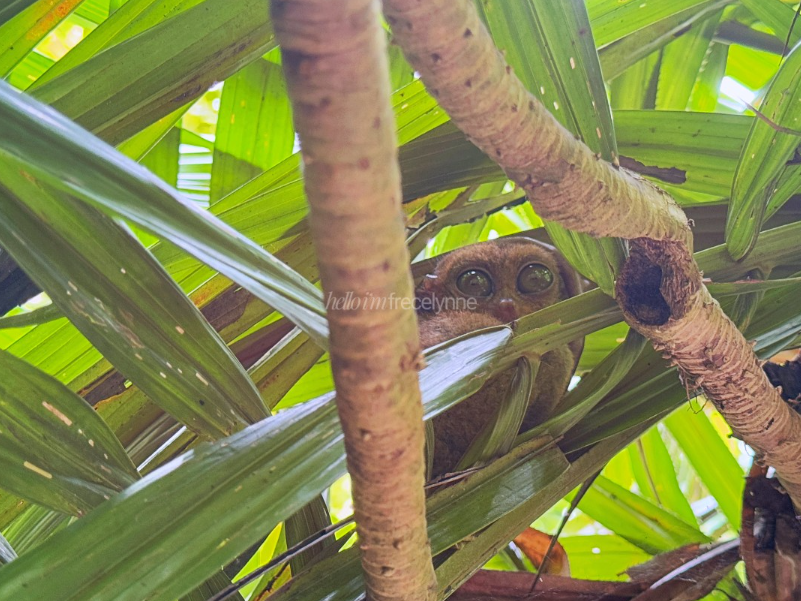
If you’re visiting Bohol, the Tarsier Sanctuary in Corella is the one wildlife stop I’d push hardest for. There are two places on the island where you can see tarsiers, but the sanctuary in Corella, run by the Philippine Tarsier Foundation, is the one that does it right.
You watch a short five-minute video before the guided trek, groups are capped at six per guide, and everything inside the forest is done quietly and respectfully. No flash, no talking, no reaching out to touch. We saw three tarsiers during our visit, each one tiny and completely still, clinging to branches in their natural habitat.
Audrey was completely absorbed. She followed every rule without being reminded, and when she saw the first tarsier up close, she just whispered “wow.” That was enough for me. Entrance is PHP 150 per person, free for children seven and below.
Loboc River Cruise
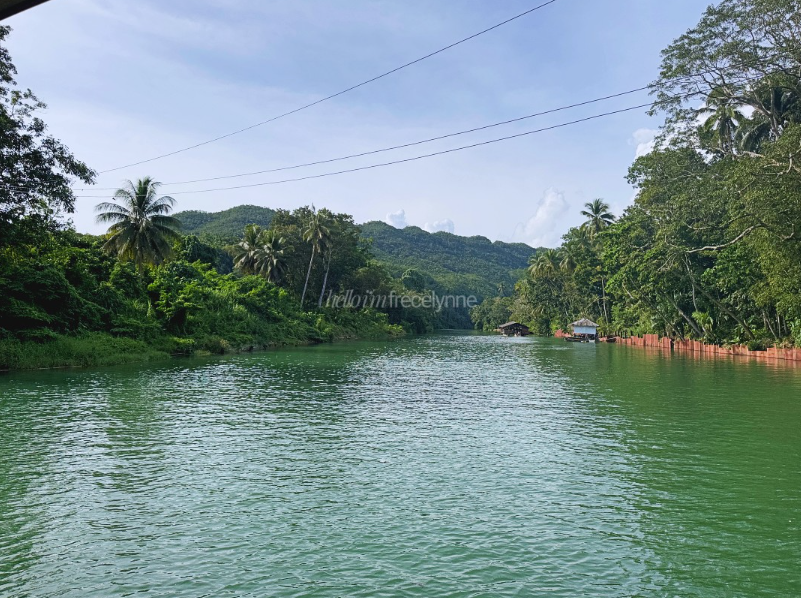
The Loboc River Cruise is one of Bohol’s top attractions, and it earns that reputation. We boarded a floating restaurant that moved slowly along the jade-green Loboc River, surrounded by tall trees and dense vegetation on both sides. The water is clear and the whole thing feels peaceful in a way that’s hard to describe until you’re on it.
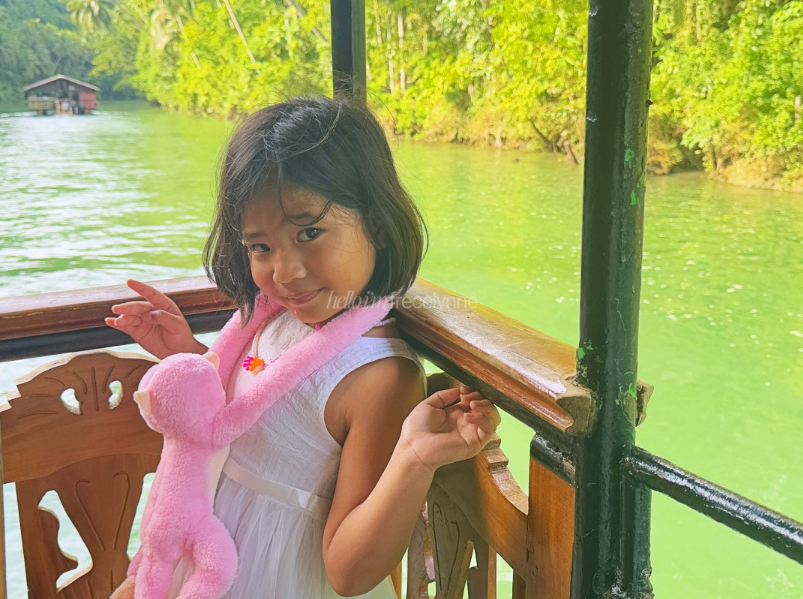
Lunch is included in the cruise, a Filipino buffet with a wide spread of dishes. I’ll be honest, the food was average for me personally, but the variety is there and most of the group was happy. What made the cruise memorable was the cultural performance midway through. The boat stopped at a floating bamboo stage where local musicians and dancers performed, and Audrey ended up dancing with them.
The cruise lasts about an hour and turns around near a small waterfall. It’s on the shorter side, but it’s worth doing at least once. Rates are PHP 1,000 per adult, PHP 412 for kids between 3 to 4 feet, and free for children below 3 feet.
Bilar Man-Made Forest
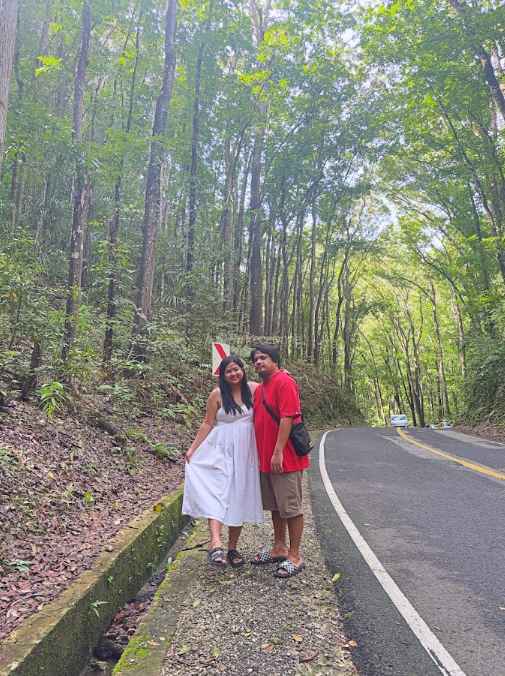
This one was a quick stop on our way to the river cruise, maybe ten minutes, and it ended up being one of my favorite moments of the whole trip. The Bilar Man-Made Forest is a two-kilometer stretch of tall mahogany trees lining both sides of the road, forming a natural tunnel of green that drops the temperature the moment you step into it.
We pulled over, got out, and just stood there for a minute. The shade, the quiet, the straight lines of trees in every direction. It’s a functioning road so cars pass through regularly, which means you need to stay alert and keep kids close to the side. But the photos practically take themselves, and the whole experience costs nothing.
It’s not a long stop, but it’s the kind of simple, beautiful thing that stays with you.
Kinaiyahan Forest Park
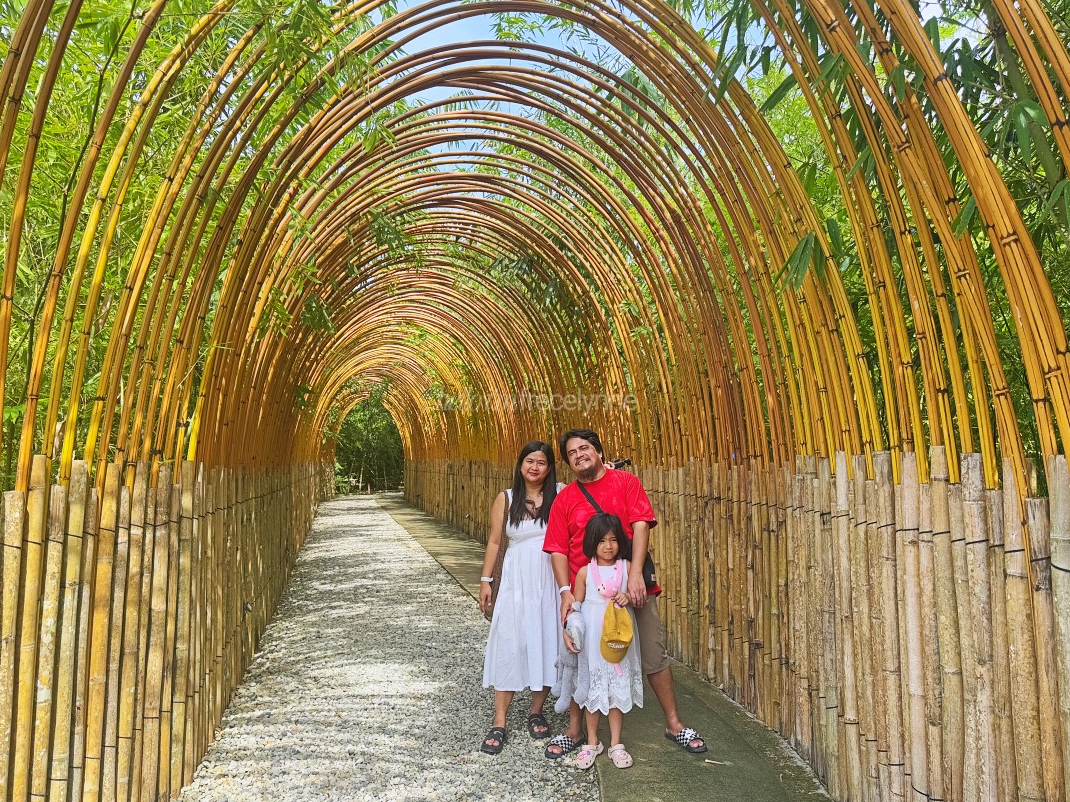
We weren’t sure what to expect from Kinaiyahan Forest Park in Bilar, and it ended up being one of the more pleasant surprises of the trip. The park sits in the center of the island and is built around an eco-tourism concept that actually delivers.
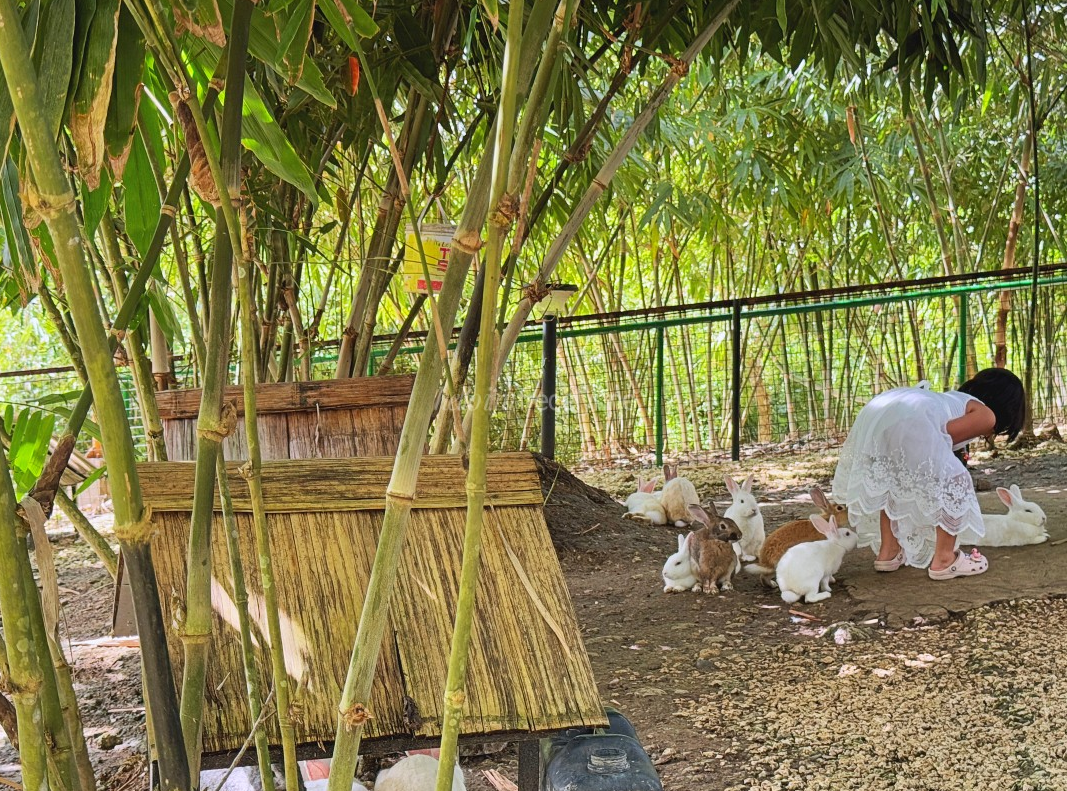
The Bamboo Walk was the highlight for me. It’s an entire trail dedicated to different varieties of bamboo, complete with information boards and beautifully designed bamboo structures throughout. The place was quiet, well-maintained, and genuinely interesting. Peacocks roamed freely, and there were also rabbits, a bearcat, parrots, and fish, which Audrey gravitated toward immediately.
Sikatuna’s Mirror of the World
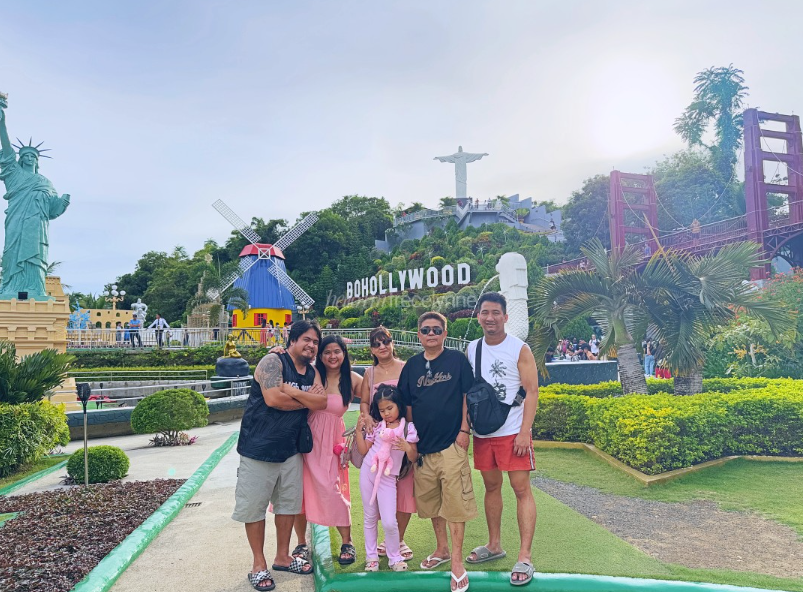
One of the newer Bohol attractions, Sikatuna’s Mirror of the World and Botanical Garden in Sikatuna is a park filled with scaled-down replicas of famous global landmarks. The Eiffel Tower, the Christ the Redeemer, the Statue of Liberty, the Merlion, the Golden Gate Bridge — all in one place, set within a landscaped botanical garden.
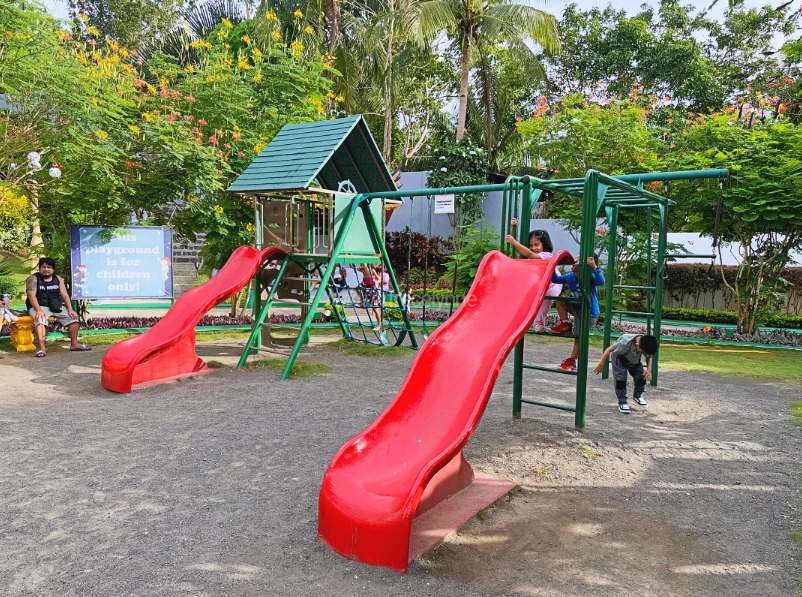
It’s lighthearted and fun, and it works especially well with kids. Audrey ran from one replica to the next, calling out each one she recognized. We arrived in the late afternoon when the light was softer, and that turned out to be great timing for photos. Don’t expect something deeply moving. Expect a fun, easy hour with good photo opportunities and genuinely happy kids. Entrance is PHP 150 per person during the day.
National Museum of the Philippines Bohol
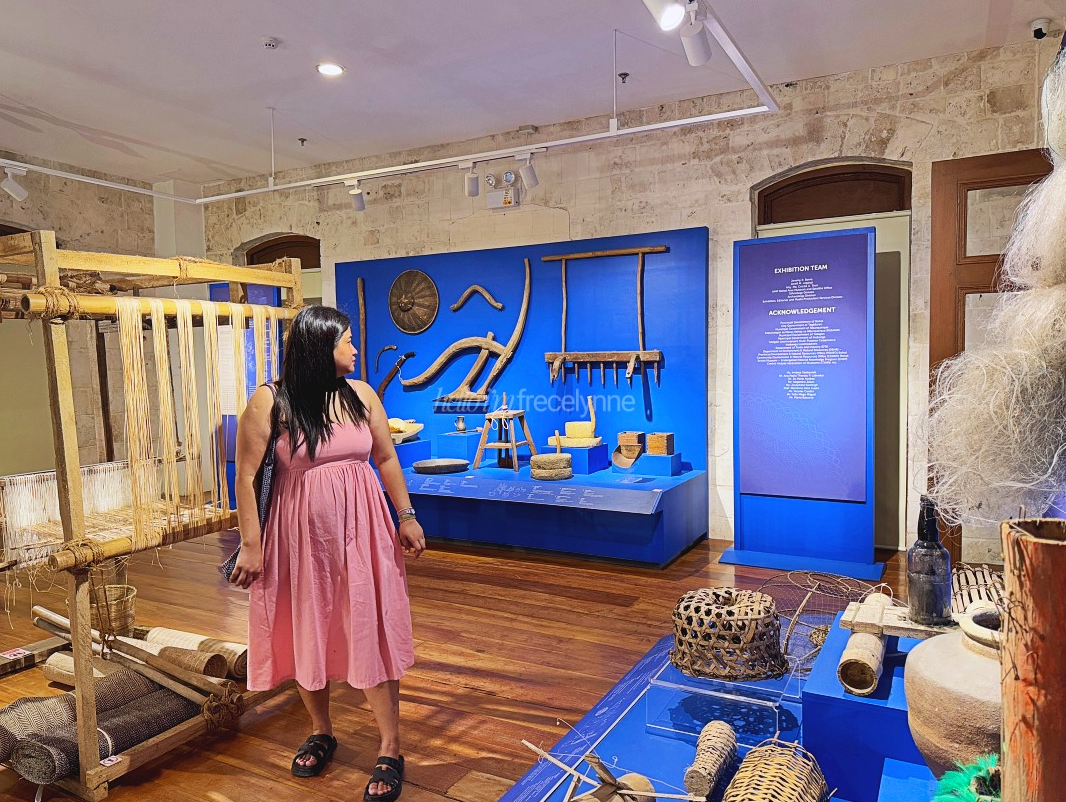
Most Bohol tour packages skip this one, and that’s one of the more confusing things about the standard itinerary because it’s free, it’s central, and it’s one of the most complete introductions to Bohol’s history and culture you’ll find anywhere on the island.
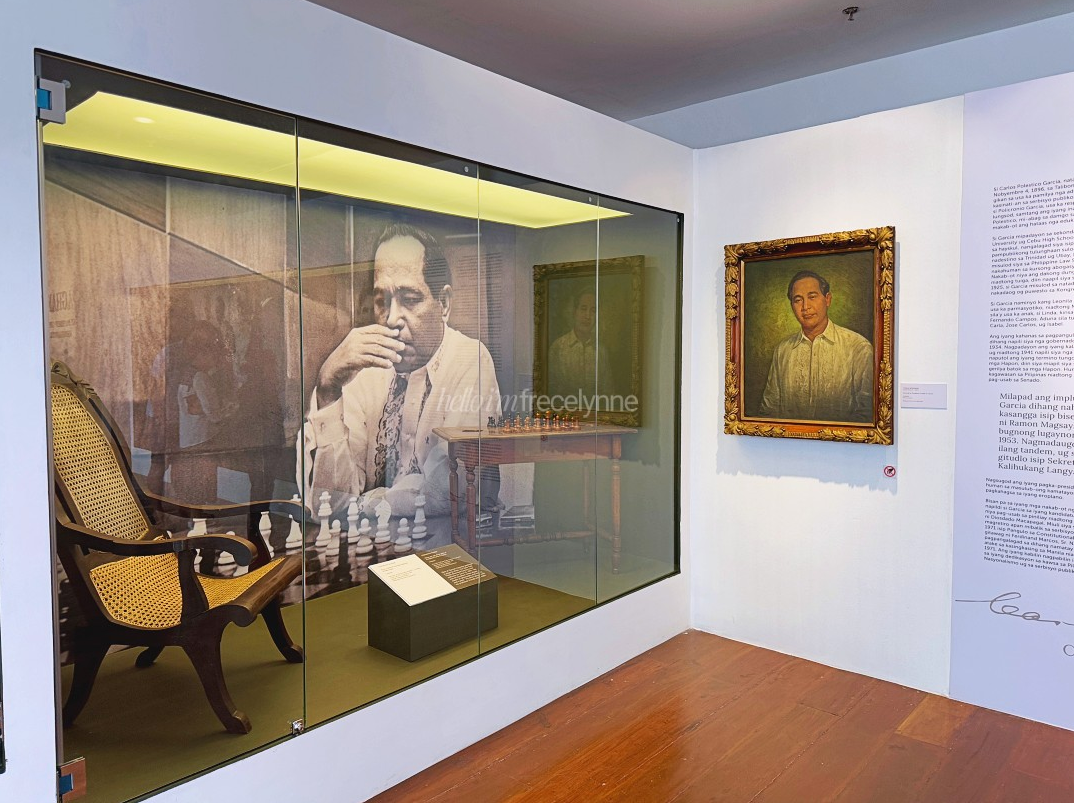
The museum occupies the former Provincial Capitol Building in Tagbilaran City, a Spanish colonial structure built between 1855 and 1860. Inside, five galleries cover everything from ancient artifacts and the story of Asin Tibuok, Bohol’s traditional artisanal salt, to the legacy of Carlos P. Garcia, the only Bohol-born president of the Philippines, and the recovery efforts after the 2013 Bohol earthquake.
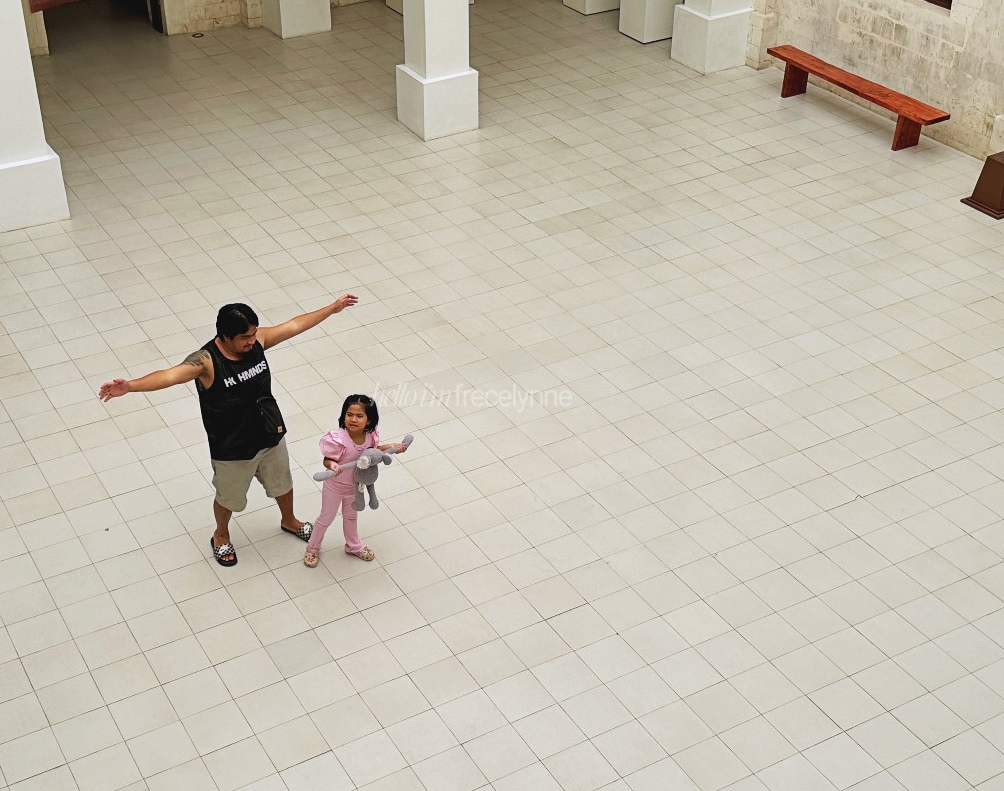
Get a guide. The student guides here are knowledgeable and engaging, and the visit is significantly better with one. Plan for an hour, bring a little cash to tip, and don’t leave without checking if Asin Tibuok is available at the front desk. Entrance is free.
Tagbilaran Cathedral and Plaza Rizal
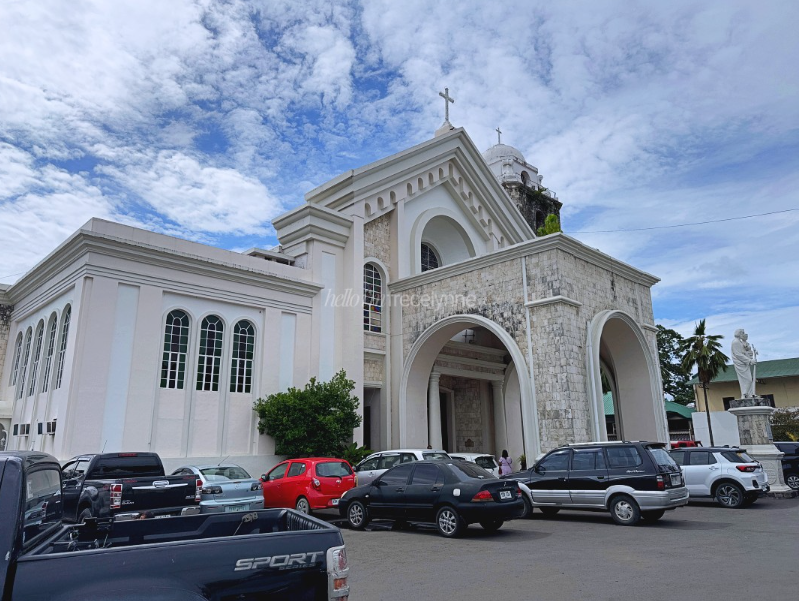
Just across the street from the National Museum, the Tagbilaran Cathedral is the spiritual center of Bohol’s Catholic community and one of the oldest religious foundations in the Visayas. The original parish dates back to 1595, and the building you see today carries centuries of history in its coral stone walls and painted ceilings.
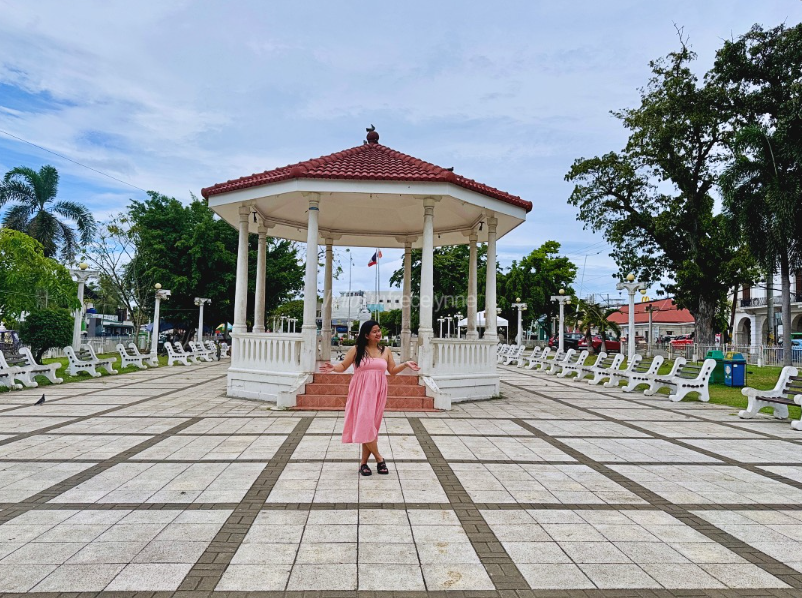
It’s a short visit, but a meaningful one. The interior is quiet and beautiful, and Plaza Rizal right outside is a lovely spot to sit after.
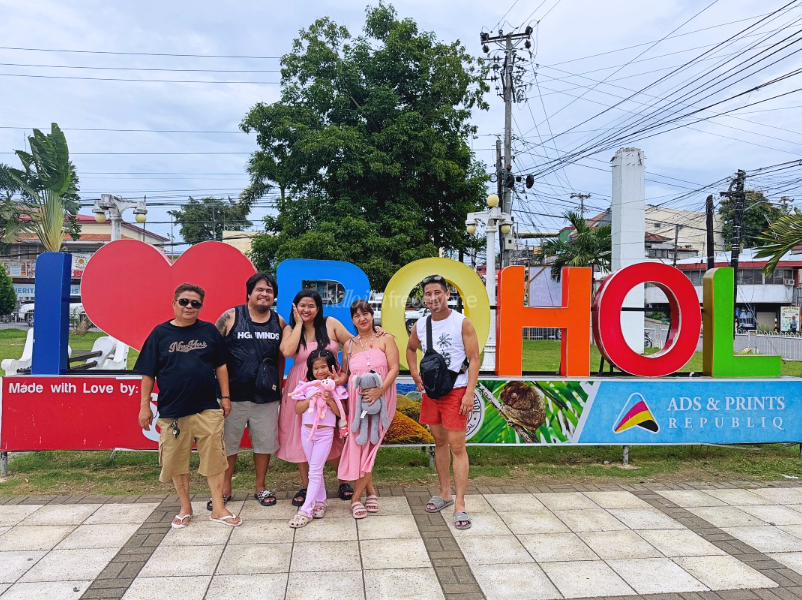
Shaded benches, a bit of garden, and a good view of the cathedral facade. We paired this with the National Museum and turned it into a two-hour cultural loop in the heart of Tagbilaran City. Entrance is free.
Alona Beach
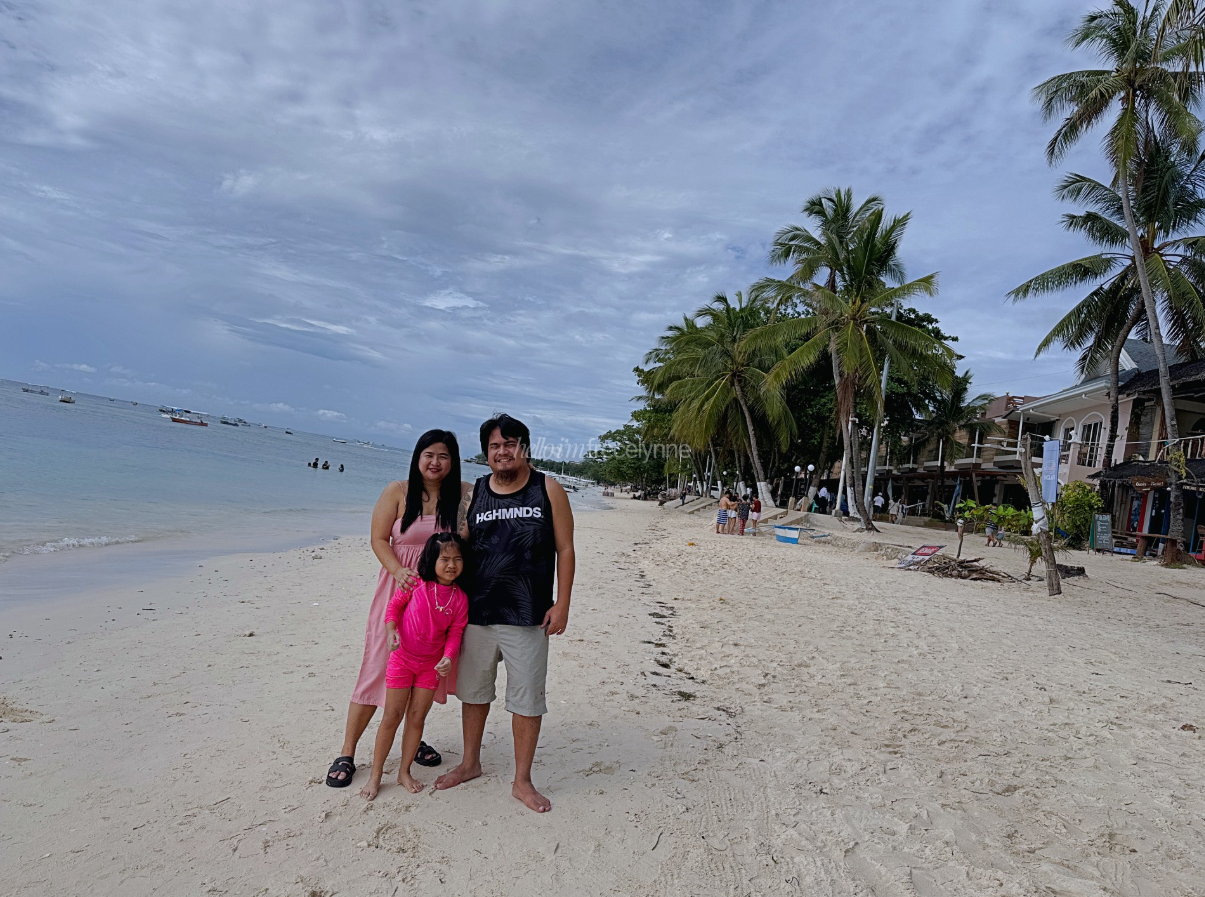
After the countryside tour days, we made our way to Alona Beach in Panglao. It’s one of the most well-known beaches in Bohol, and it earns its reputation for a reason. The water is clear, the sand is white, and there’s enough activity along the strip to keep things interesting without it feeling overwhelming.
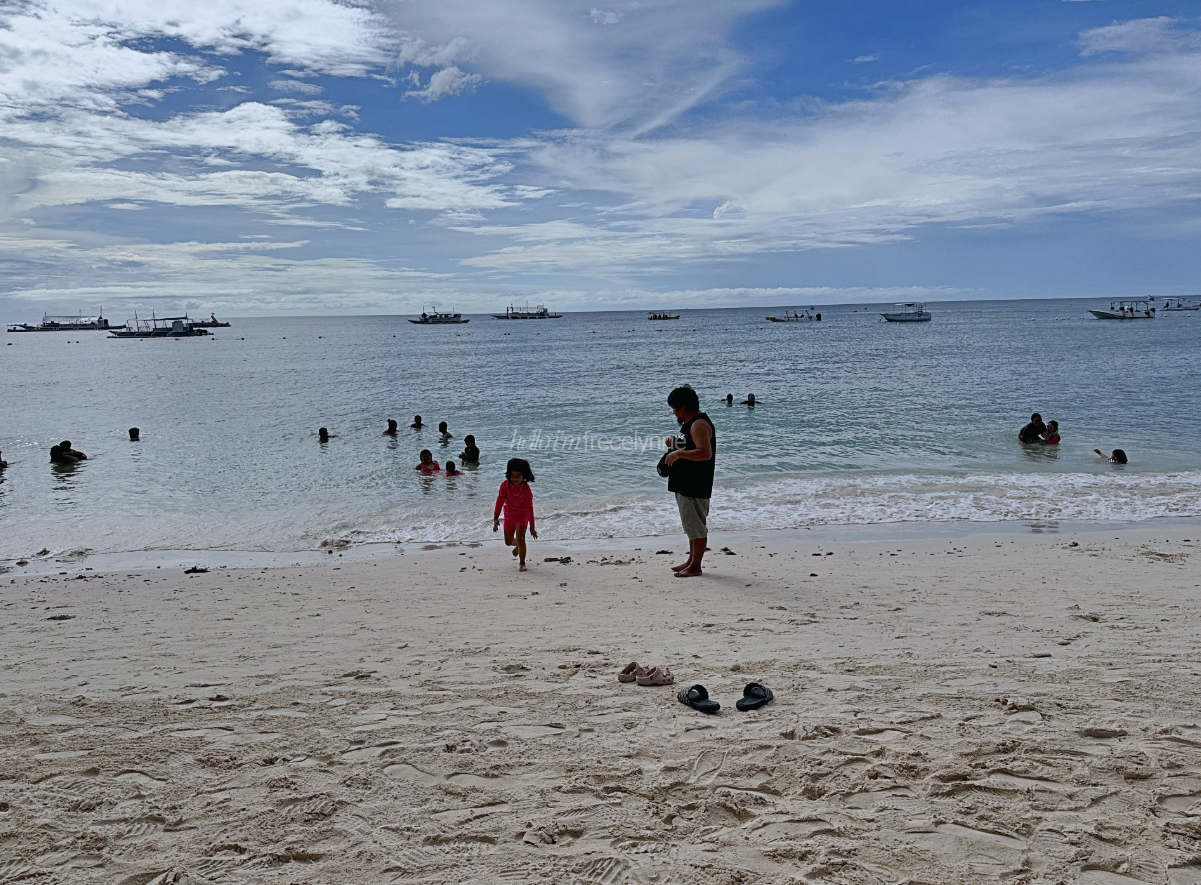
For families, Alona Beach works well as a wind-down stop. After days of touring, it’s nice to just sit by the water, let Audrey splash around, and not have anywhere to be. There are restaurants and small shops along the beachfront, and the whole area is walkable. If you’re planning a family trip to Bohol, building in at least one beach day here is worth it.
Hinagdanan Cave
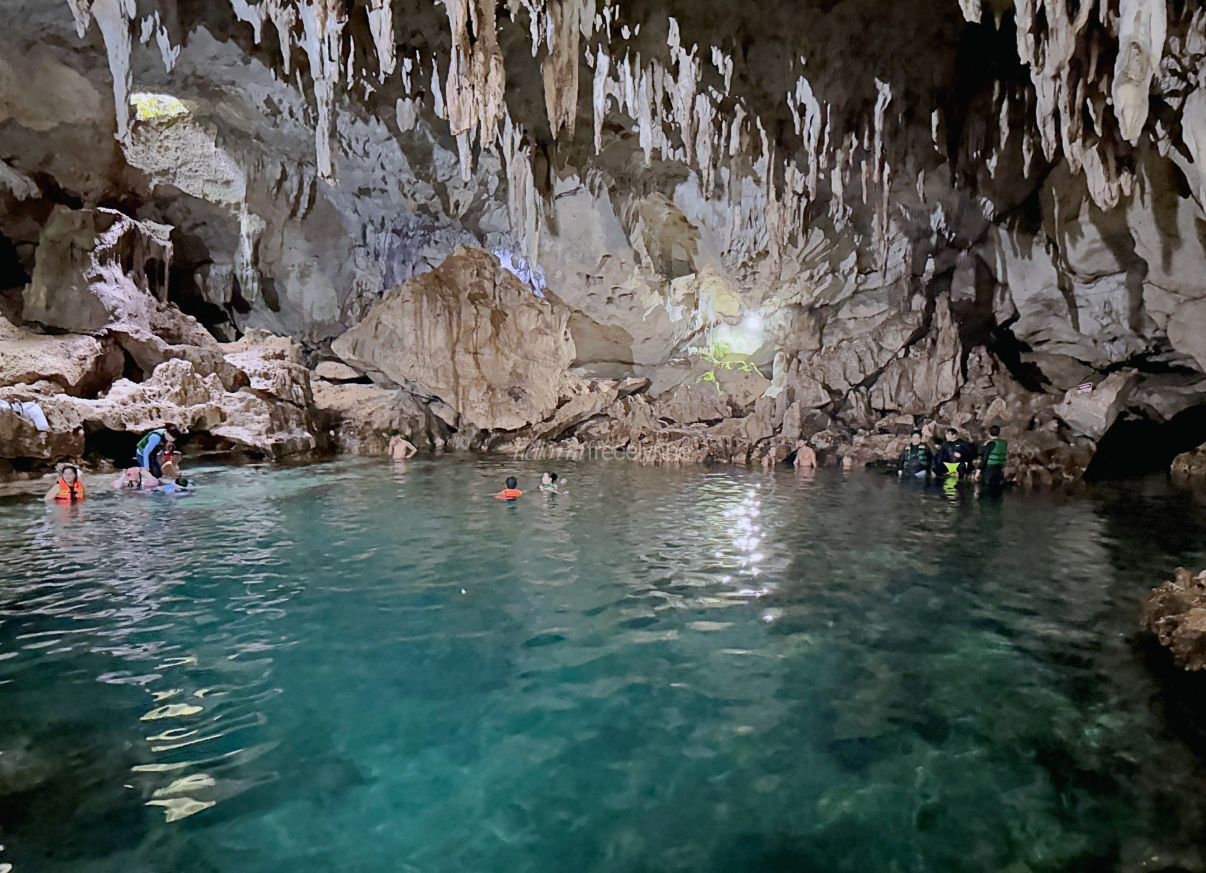
Hinagdanan Cave in Dauis, Panglao is one of those stops that feels genuinely other-worldly. It’s a natural cave with a subterranean lagoon inside, lit by natural light filtering through holes in the ceiling. The water is clear and swimming is allowed, which made it an instant hit with Audrey.
The cave is not huge, and it gets a bit crowded during peak hours, but the experience of standing inside a cave with natural light pouring in from above and clear water below is hard to replicate anywhere else. It’s a short visit but a memorable one. Worth including if you’re spending time in the Panglao area.


Leave a Reply