
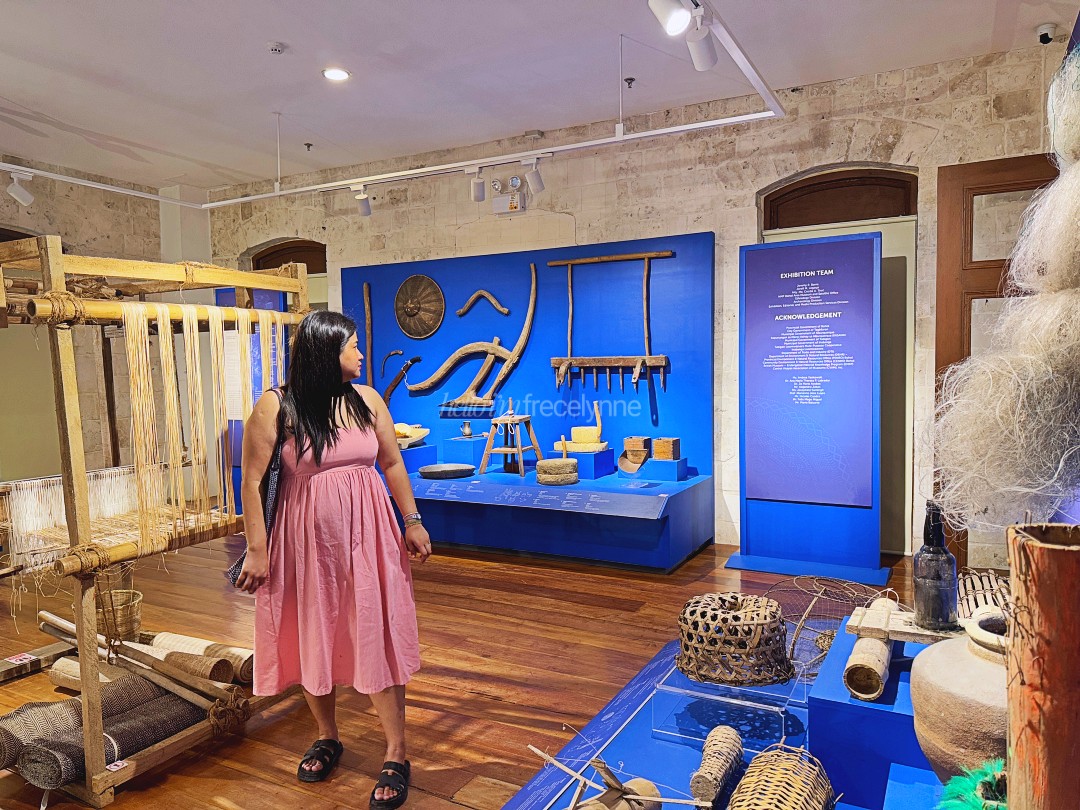
Most Bohol tour packages skip this one entirely, and that’s a shame. The National Museum of the Philippines Bohol sits right in the heart of Tagbilaran City, across from the Cathedral and the Rizal Plaza. We arrived around noon, stayed for about an hour, and left knowing significantly more about Bohol’s history and culture than when we walked in. For a free stop, it punched well above its weight.
We walked in not knowing what to expect, and that made it even better.
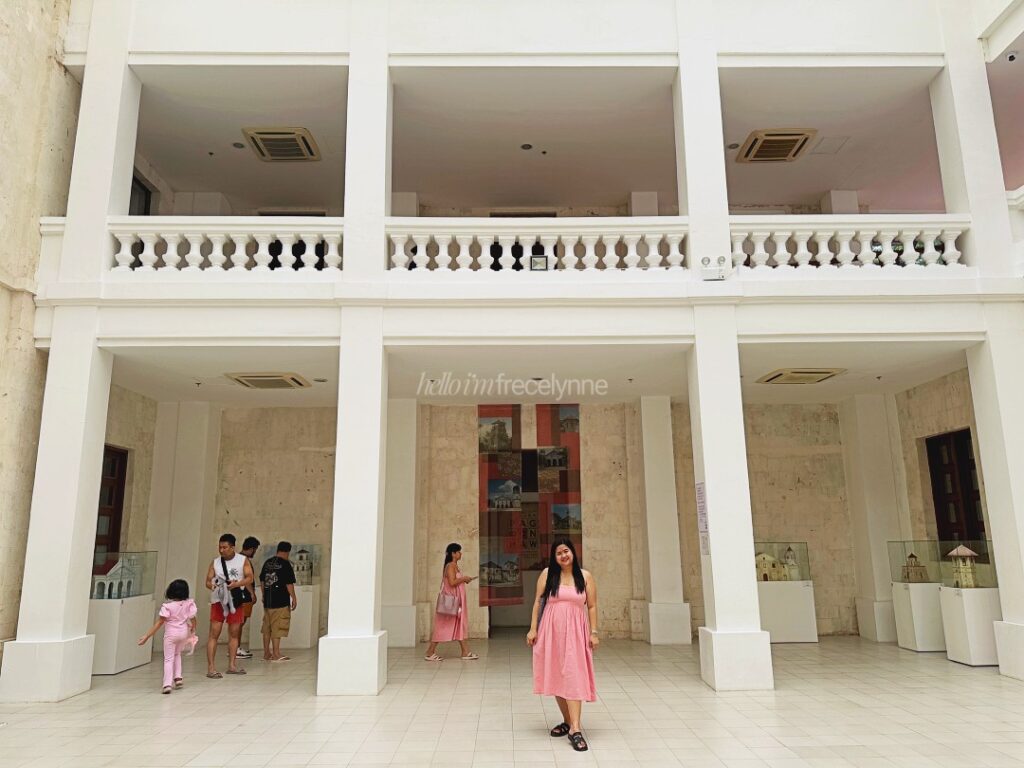
The museum has five galleries, and each one covers a different part of Bohol’s story.
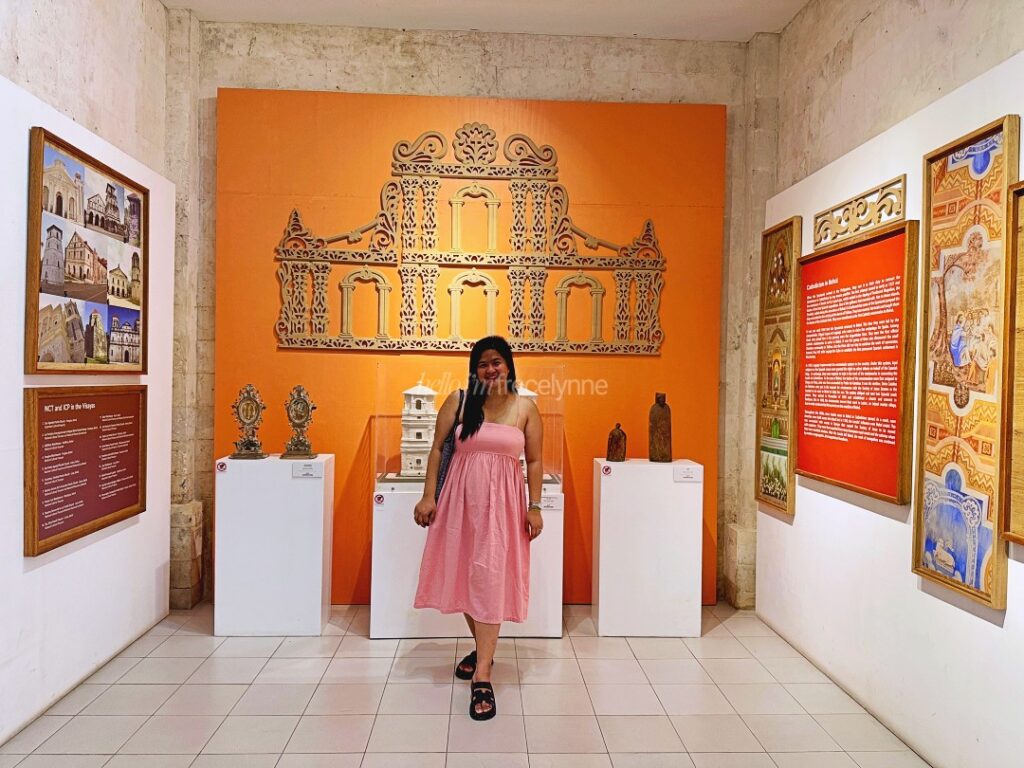
We moved through them slowly. The exhibits are interesting on their own.
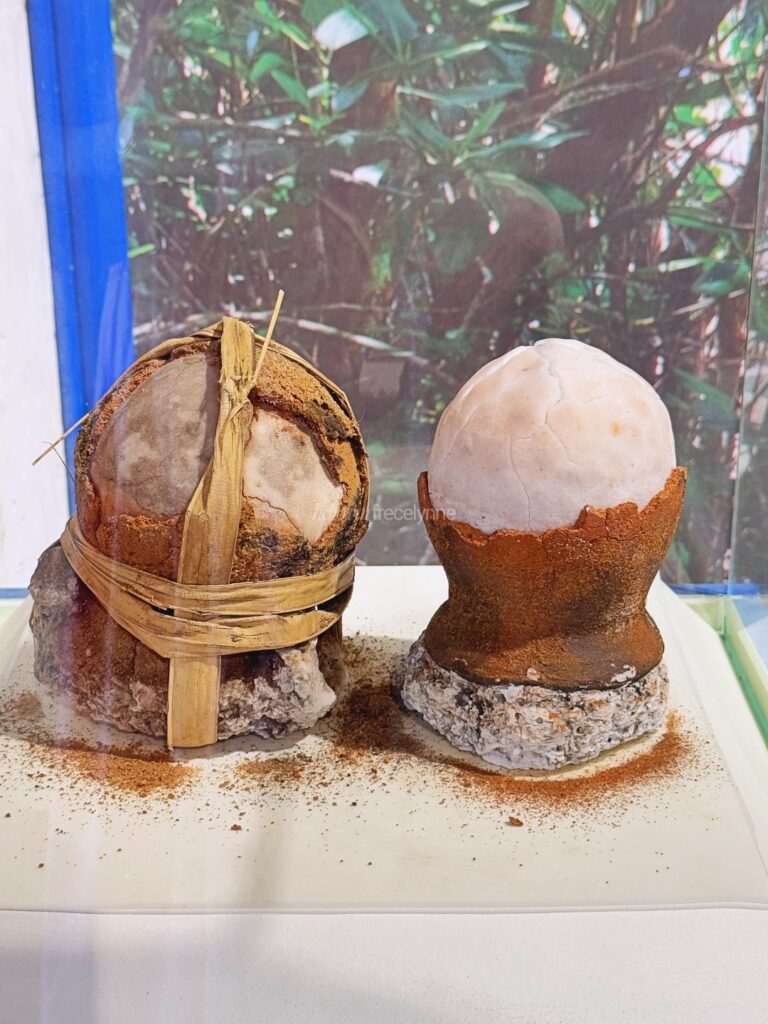
One of the highlights for me was learning about Asin Tibuok, a traditional artisanal sea salt from Albuquerque, Bohol. It’s shaped like a dinosaur egg, formed by boiling brine in clay pots that break away during the process. The result is a smoky, nutrient-rich salt that’s still being made today using traditional methods. You can actually buy it at the museum’s front desk at the suggested retail price, direct from the makers. I picked one up for PHP 600.
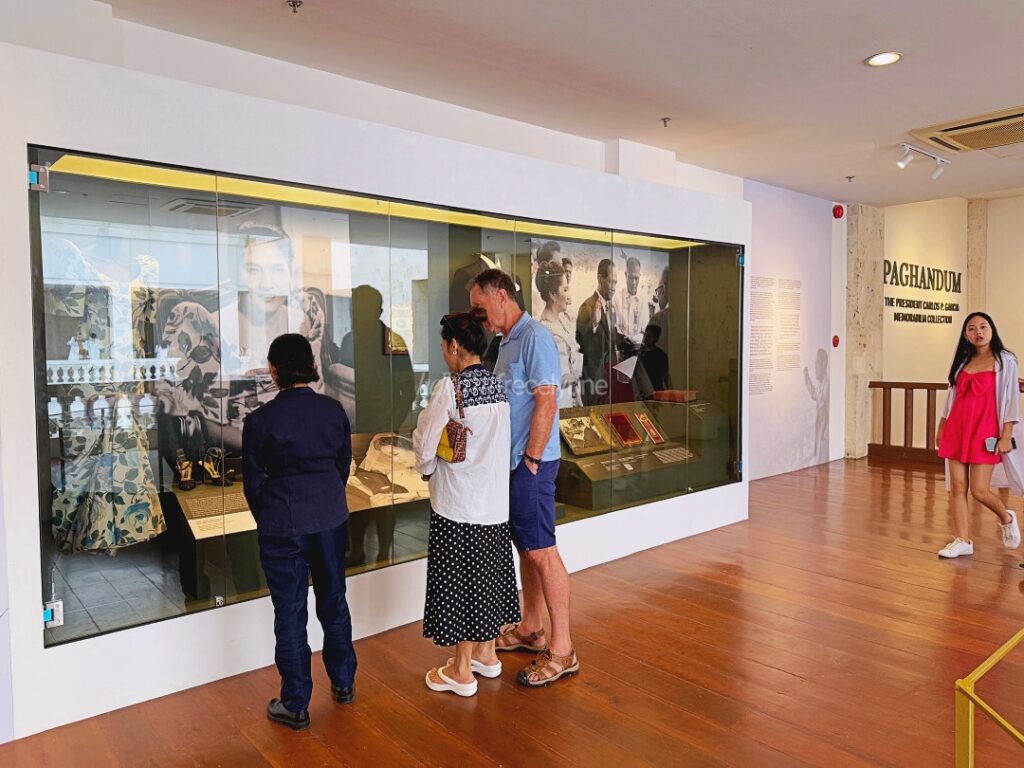
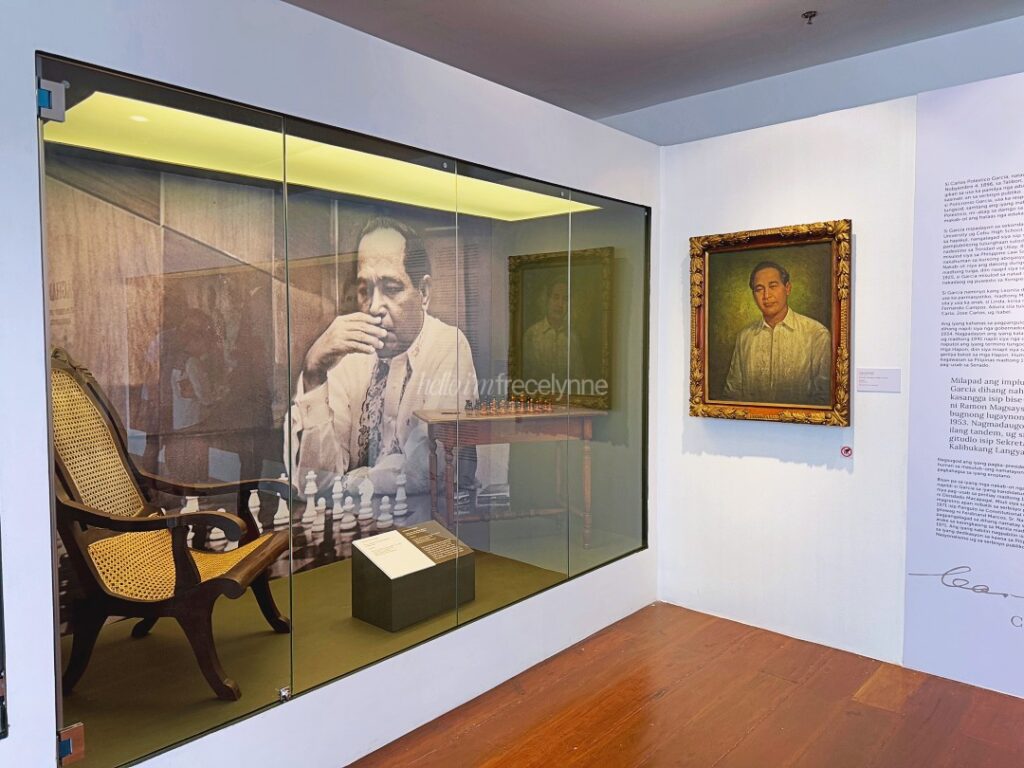
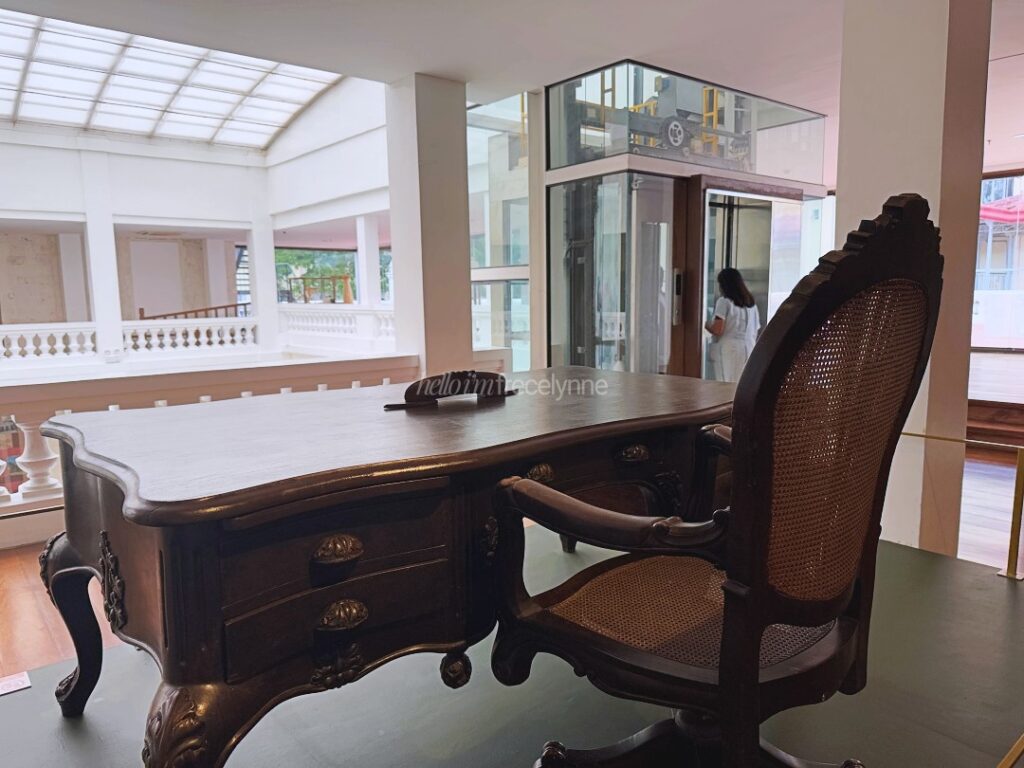
We also spent time in the gallery dedicated to Carlos P. Garcia, the eighth President of the Philippines and the only Bohol-born president the country has had. Beyond politics, he was a teacher, a poet, a lawyer, and an avid chess player. The exhibit covers his life thoughtfully, and it gave Audrey a good entry point into Philippine history in a way that felt personal rather than textbook.
Another gallery focused on the 2013 Bohol earthquake, a 7.2 magnitude disaster that damaged several of the island’s heritage churches. The exhibit documents the destruction and the painstaking restoration work that followed. Seeing the before and after, and understanding the effort that went into saving these structures, was genuinely moving.
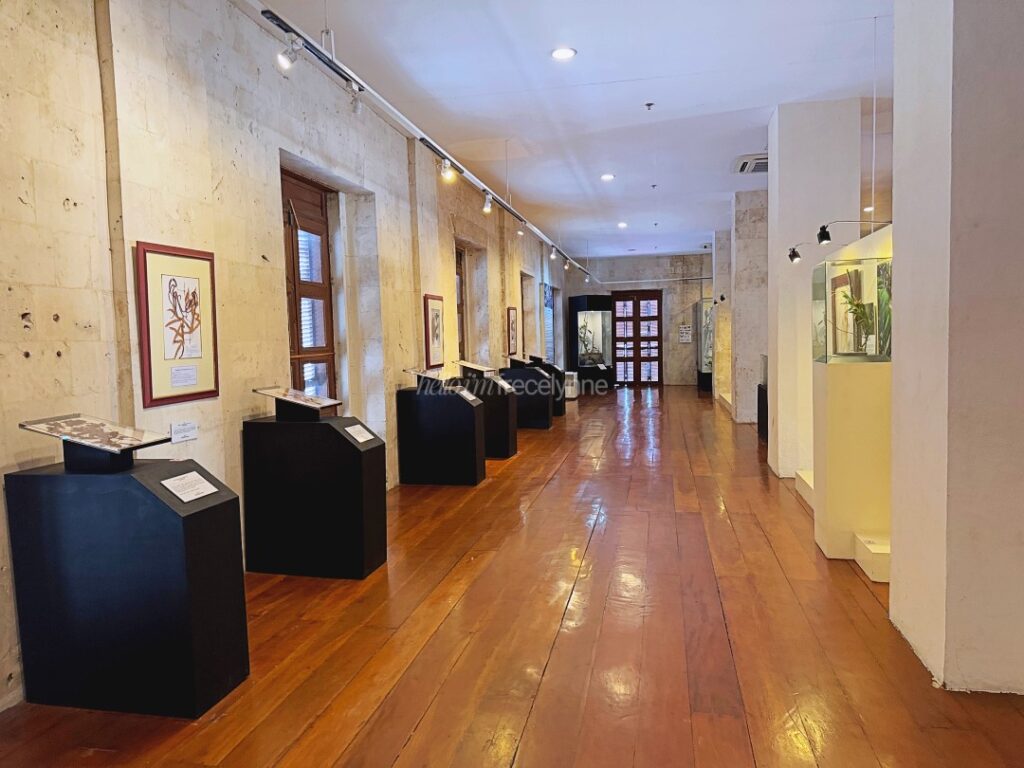
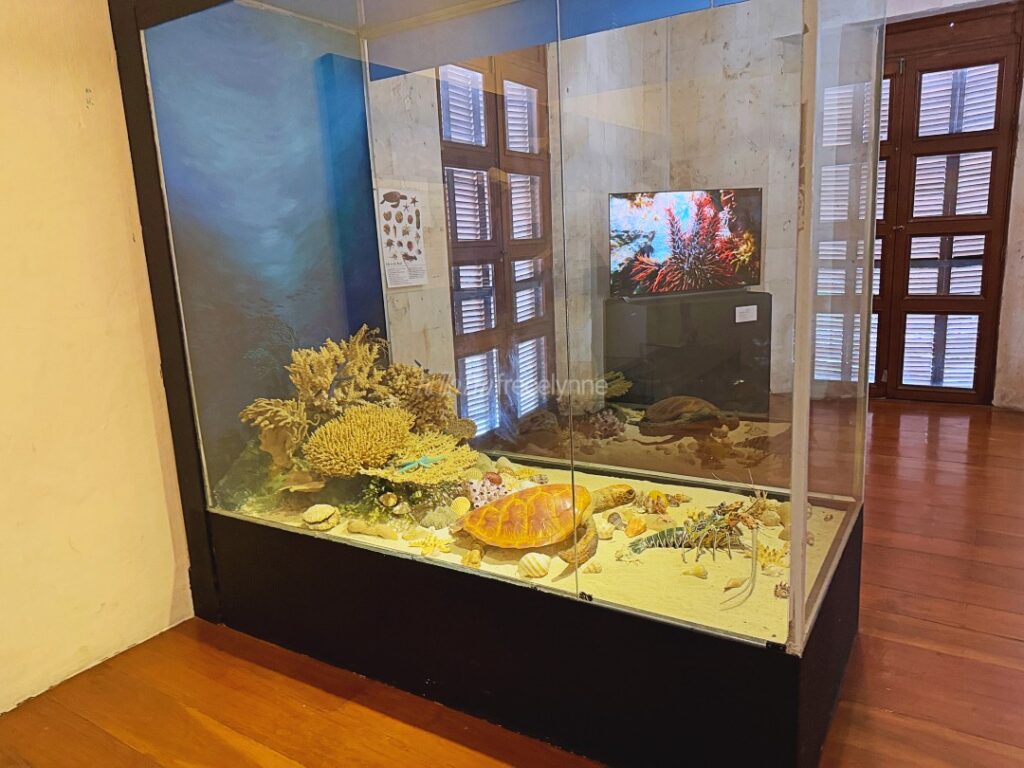
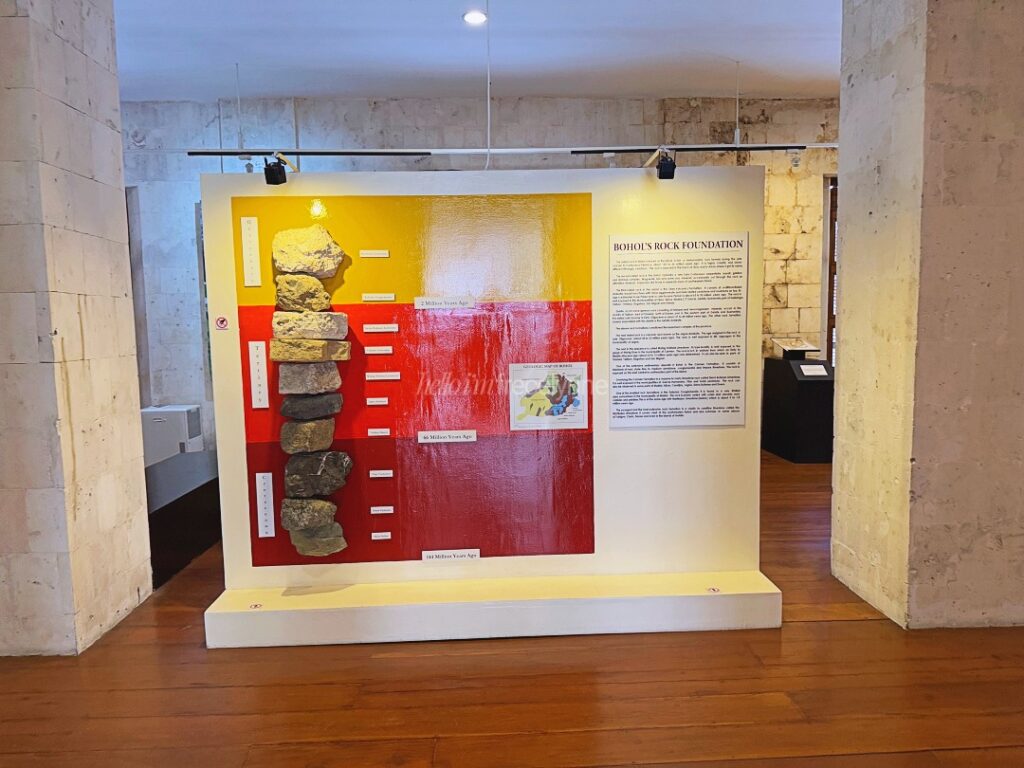
There was also a natural history gallery with specimens and displays of Bohol’s flora and fauna, including a section on the Philippine Tarsier and marine life found around the island. It tied together a lot of what we had already seen on the trip and gave it more depth.
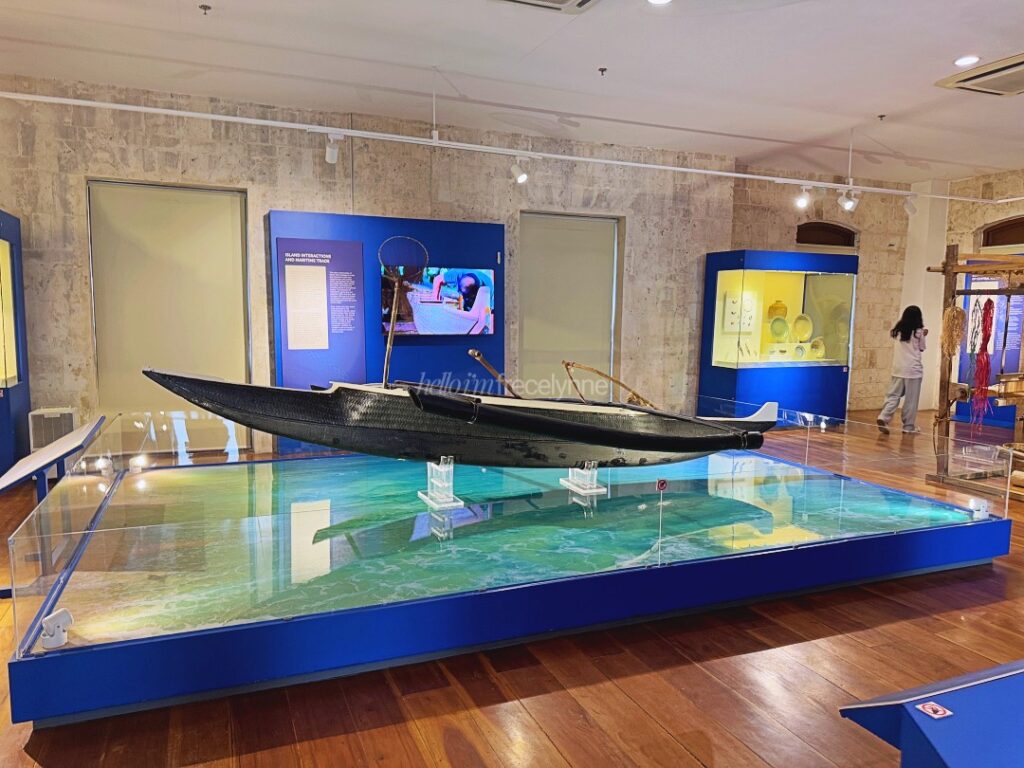
I’ve been to a lot of museums across the Philippines, and I always make it a point to include one wherever we travel. Not to read every label, but to see things gathered in one place, to feel connected to a destination beyond its views and food.
About the National Museum of the Philippines Bohol
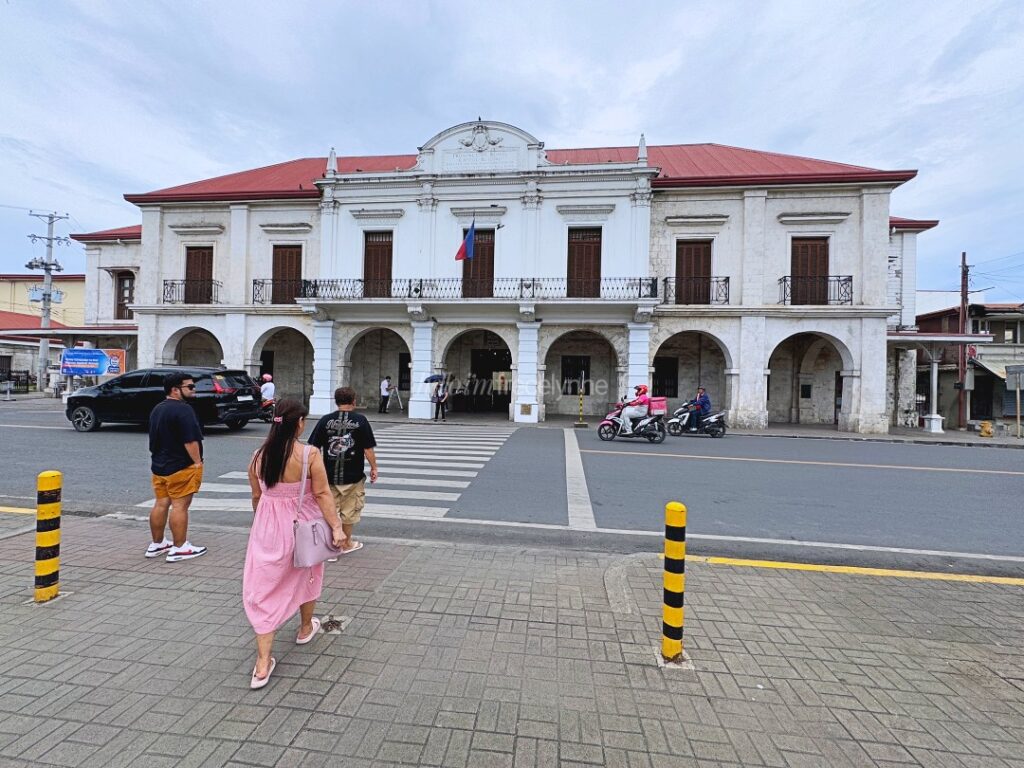
The building itself is part of the story. The National Museum of the Philippines Bohol occupies the former Provincial Capitol Building of Bohol, constructed between 1855 and 1860 during the Spanish colonial period. It was built to serve as a tribunal, prison, and military quarters under the command of Captain Guillermo Kirkpatrick. The construction used over 27,000 bricks, thousands of cavans of lime, and local hardwoods including banaba, molave, and bangkal.
The building survived centuries of history before a 7.2 magnitude earthquake on October 15, 2013 caused significant damage. The Provincial Government of Bohol donated it to the National Museum of the Philippines on June 16, 2014, and after years of restoration, it reopened to the public on July 22, 2018. It was declared an Important Cultural Property in 2012, recognized for its coral stone architecture and its role as a witness to Bohol’s history.
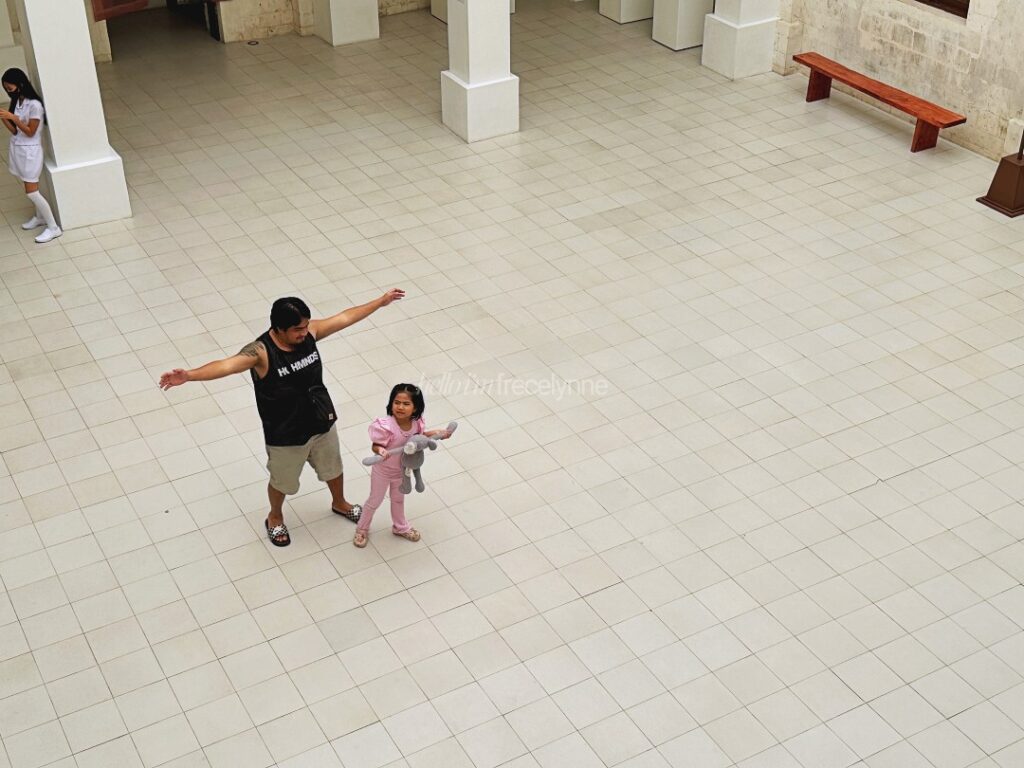
Three main gallery exhibitions are currently open. The Pagpauli Gallery features the works of National Artist for Sculpture Napoleon Abueva, the most comprehensive collection of his pieces on display in the country. The Pagbanhaw Gallery covers the 2013 earthquake and the restoration of Bohol’s damaged heritage churches. The Natural History of Bohol Gallery showcases the island’s geological, paleontological, and biological heritage through specimens and dioramas.
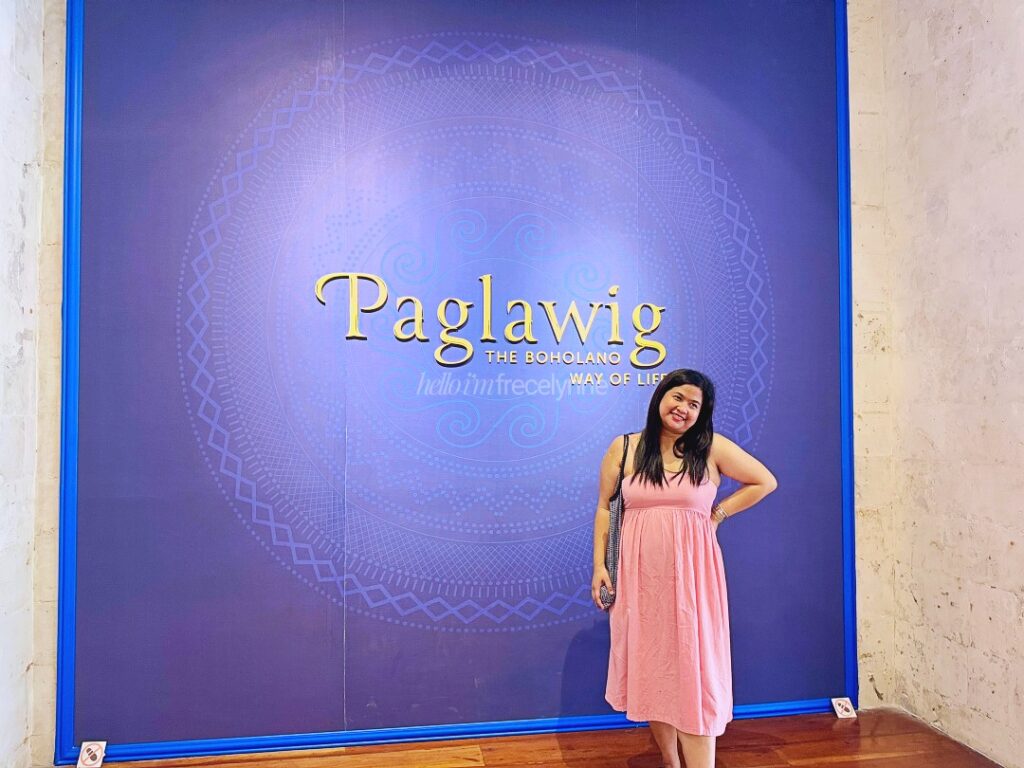
It’s one of the most complete introductions to Bohol’s identity you’ll find anywhere on the island, and the fact that it’s free makes it even harder to justify skipping.
Tickets and Rates
Entrance to the National Museum of the Philippines Bohol is completely free. No reservation needed. Guided tours are available at no additional charge, though tipping your guide is very much encouraged.
Asin Tibuok is available for purchase at the front desk at the suggested retail price of PHP 600.
National Museum of the Philippines Bohol Contact Information
Address: Km. 0, Carlos P. Garcia Ave., Poblacion 3, Tagbilaran City, Bohol 6300
Website: nationalmuseum.gov.ph/our-museums/regional-area-and-site-museums/bohol/
Phone: (038) 501-9166
Email: infonmbohol@gmail.com
Facebook: National Museum of the Philippines Bohol
Instagram: National Museum of the Philippines Bohol
Entrance Fee: Free
Leave a Reply