
If there is one city in Metro Manila where Visita Iglesia feels most complete, it is Manila. The city holds some of the oldest, most historically significant, and most architecturally remarkable beautiful churches in Manila, from a UNESCO World Heritage Site inside Intramuros to a basilica built entirely of steel. Some of these churches have been destroyed and rebuilt multiple times over four centuries. All of them are still standing, still drawing the faithful, and still worth every minute of your Holy Week visit. Because Manila has so many churches close together, 14 is the recommended count here. Here’s your guide.
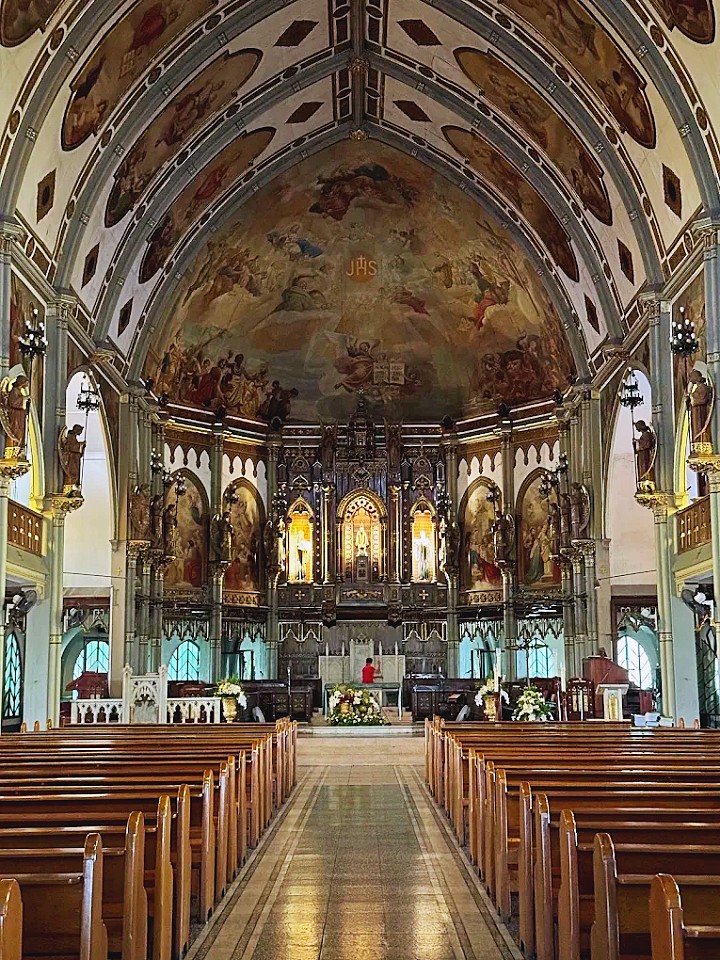
Abbey of Our Lady of Montserrat
638 Mendiola St., San Miguel, Manila Facebook
This Benedictine Abbey was founded by monks from Spain in 1895, in the final years of the Spanish colonial era. The cornerstone of the abbey church was laid on February 15, 1925, and it was completed and consecrated on January 13, 1926. The interior was painted by Dom Lesmes López and Brother Salvador Alberich from 1931 to 1939, covering the vaulted ceiling with 16 allegories on virtues, theology, and the church. The Apotheosis of the Holy Name of Jesus was painted over the sanctuary, and eight panels on the Nativity of the Lord line its walls. In 2010, Italian painter Francesco Giannini completed a final mural of 126 square metres on jute canvas depicting the history of the congregation and the resurrected Christ. The monks also operate San Beda University on the Abbey’s grounds.
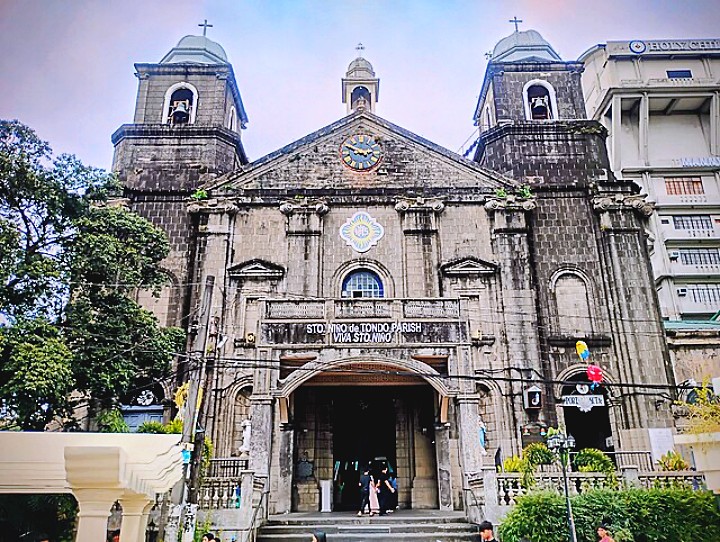
Archdiocesan Shrine of Santo Niño (Tondo Church)
Ilaya St., Tondo, Manila Facebook
Tondo Church is one of the earliest churches established by the Spanish Augustinians in Luzon, founded in 1572. It houses an extravagant ivory image of the Child Jesus that originally came from Acapulco, Mexico, and has been enshrined here since 1572. The church is built in a Neo-Classical style, with a central nave flanked by two aisles spanning 65 meters in length. The feast of the Santo Niño de Tondo, celebrated on the third Sunday of January, is known as the Lakbayaw Festival, a portmanteau of the Tagalog words for journey and dance. In November 2025, Pope Leo XIV raised it to the status of Minor Basilica.
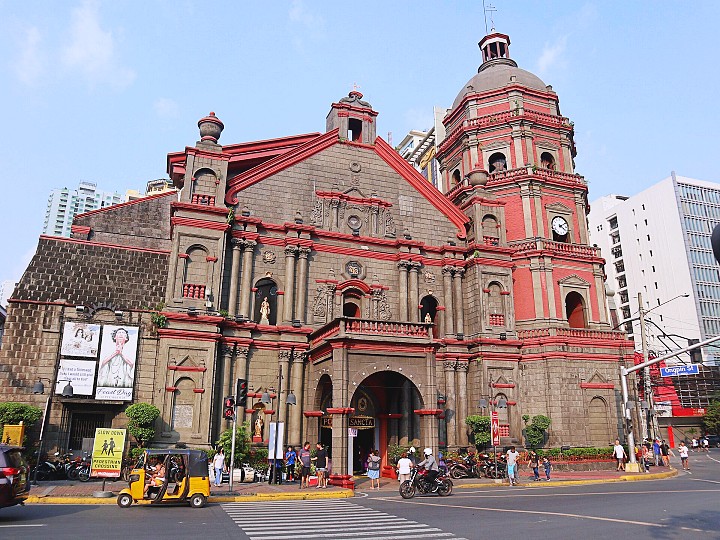
Minor Basilica of San Lorenzo Ruiz (Binondo Church)
1006 Plaza Lorenzo Ruiz, Binondo, Manila Facebook
Founded by the Dominican Order in 1596 to serve their Chinese converts to Christianity, Binondo Church is one of the most recognized beautiful churches in Manila. The current granite structure was completed in 1852, with the distinctive octagonal pagoda-like bell tower reflecting the Chinese culture of its parishioners. Only the western facade and the bell tower survived the destruction of World War II. The church is dedicated to Saint Lorenzo Ruiz, the first Filipino saint. Pope John Paul II raised it to the status of Minor Basilica in 1992, and the Catholic Bishops Conference of the Philippines elevated it to a national shrine on September 22, 2024. Masses here are held in Tagalog, Mandarin, Hokkien, and English.
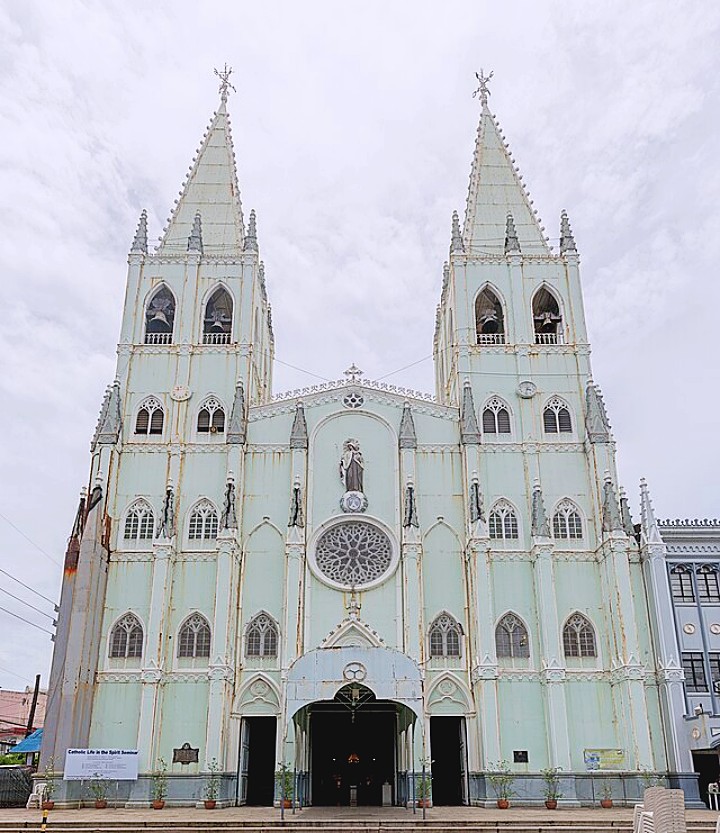
Minor Basilica of San Sebastian
Pasaje del Carmen St., Quiapo, Manila Facebook
This is the only all-steel church in the Philippines, and one of the most architecturally singular beautiful churches in Manila. After previous structures were destroyed by fire and earthquakes in 1859, 1863, and 1880, Spanish architect Genaro Palacios designed a fire and earthquake-resistant structure made entirely of prefabricated steel sections manufactured in Belgium. The first shipment arrived in 1888, and the church was consecrated on August 16, 1891. It was declared a National Historical Landmark in 1973 and a National Cultural Treasure in 2011. The Neo-Gothic interior features groined vaults, trompe-l’œil paintings of saints by Lorenzo Rocha, stained glass windows imported from Germany, and an ivory statue of Our Lady of Mount Carmel above the main altar. With 64 spires and twin towers rising 32 meters high, walking into San Sebastian is like stepping into a different world entirely.
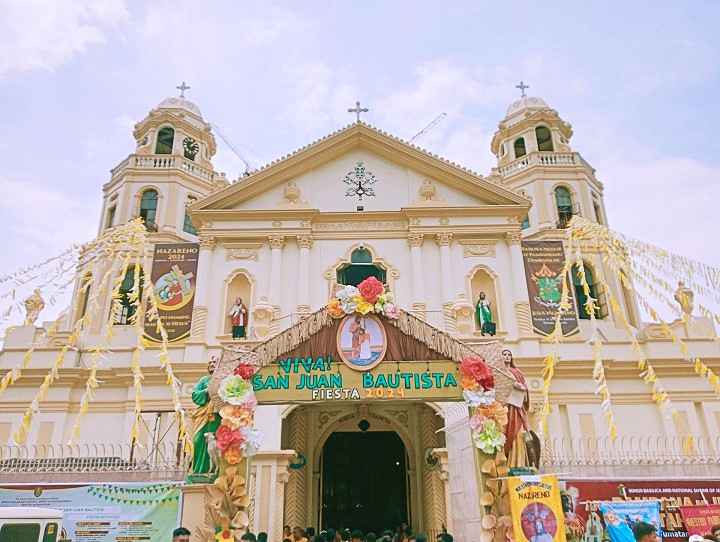
Minor Basilica of the Black Nazarene (Quiapo Church)
Plaza Miranda, Quiapo, Manila Facebook
Quiapo Church is probably the most famous of all the beautiful churches in Manila, and during Holy Week, it draws some of the largest crowds in the city. Founded in 1588, the church houses the Jesús Nazareno, a dark statue of Jesus Christ brought to the Philippines in a Spanish galleon in the 17th century and venerated by millions of devotees. The present church, designed by National Artist Juan Nakpil, was completed in 1935 in the Baroque style, with twisted columns on both levels and a distinctive four-storey facade. Pope John Paul II elevated it to a Minor Basilica in 1988, and it was declared a national shrine in December 2023. In January 2024, at least seventy bishops attended the Pontifical Mass marking the solemn declaration. In 2024 alone, 6.5 million devotees joined the Traslación procession. A Friday novena is held weekly, drawing thousands of devotees. This is a non-negotiable stop on your Visita Iglesia route.
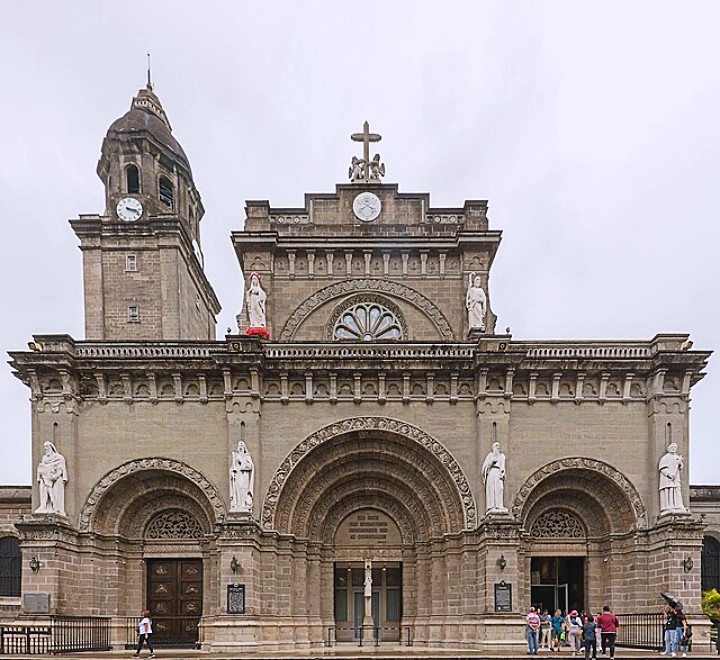
Minor Basilica of the Immaculate Conception (Manila Cathedral)
132 Beaterio St., Intramuros, Manila Facebook
This is the mother church of the Philippines. Manila Cathedral has been destroyed and rebuilt eight times since 1571. The present structure, completed in 1958 and designed by Kapampangan architect Fernando Ocampo in the Neo-Romanesque style, is the eighth version of the cathedral. It serves as the seat of the Archdiocese of Manila and holds relics of Popes John XXIII, Paul VI, John Paul II, and a relic of the True Cross. Pope John Paul II elevated it to a Minor Basilica in 1981, and three popes have celebrated Mass within its walls. The cathedral holds 2,000 seated worshippers but its spiritual weight far exceeds its capacity.
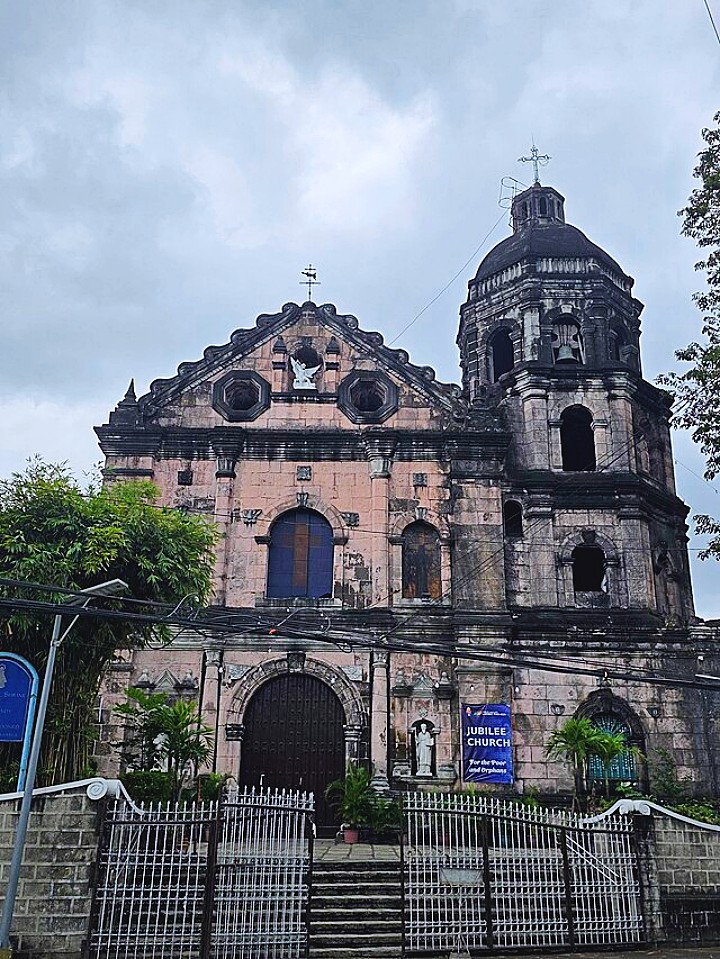
National Shrine of Our Lady of the Abandoned (Santa Ana Church)
888 Pedro Gil St., Lamayan, Santa Ana, Manila Facebook
Santa Ana Church was the first church established by the Franciscans outside the walled city of Intramuros in 1578. The present structure was built from 1720 to 1725 under Fr. Vicente Inglés and dedicated to Our Lady of the Abandoned. The revered image of Nuestra Señora de los Desamparados was made in Valencia, Spain in 1713 and arrived in the Philippines in 1717. The retablo is in churrigueresque style with heavy gold leaf ornamentation and thirteen niches. The Camarín de la Virgen, a small chapel behind the image, was declared a National Cultural Treasure in 2008 and contains ceiling paintings believed to be as old as the church itself. The Santa Ana Site Museum in the convent patio uncovered 71 human burials dating to the late 11th to 14th centuries during archaeological excavations in 1966. It was elevated to a national shrine in 2021.
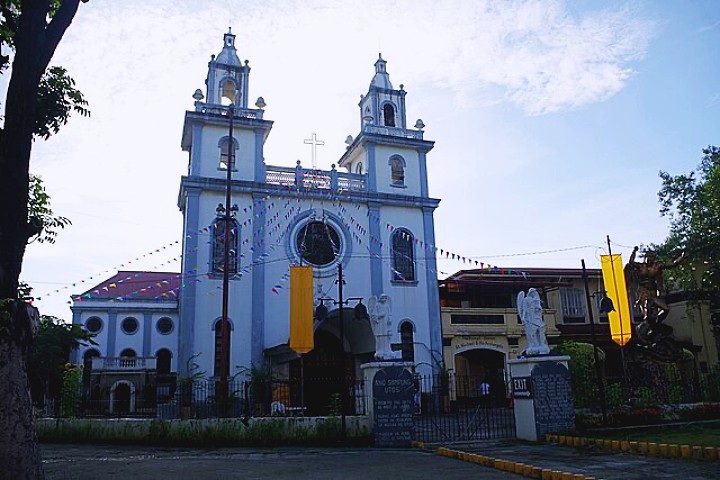
National Shrine of Saint Michael and the Archangels (San Miguel Church)
1000 J.P. Laurel St. cor. Gen. Solano St., San Miguel, Manila Facebook
San Miguel Church sits within the Malacañang Palace complex, which makes it the only Catholic church in the Philippines where priests hold the canonical dispensation to administer the Sacrament of Confirmation twice a week. First built in stone by the Jesuits in 1603, it was rebuilt in 1913 through the generosity of Doña Margarita Róxas de Ayala. The church served as pro-cathedral of the Archdiocese of Manila from 1946 to 1958 while Manila Cathedral was being rebuilt after World War II. It was elevated to the rank of national shrine in 1986. The church follows European Baroque architecture with twin bell towers. It is also notable as the site of Ferdinand Marcos and Imelda Romuáldez’s 1954 wedding, with President Ramon Magsaysay as principal sponsor.
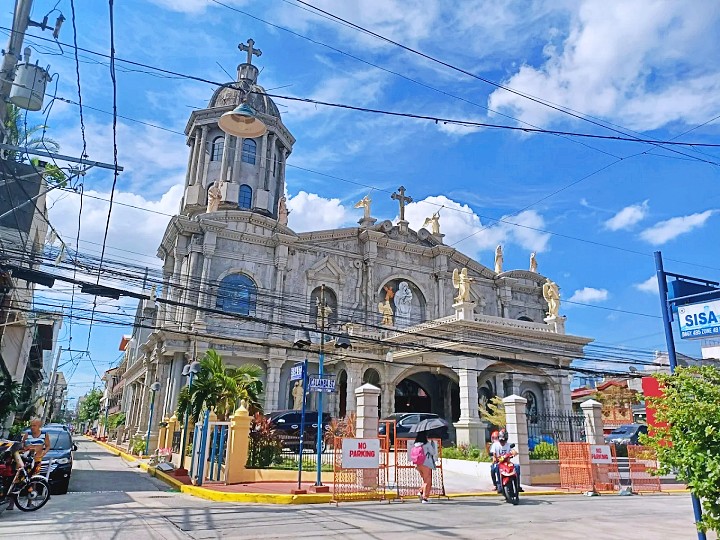
Nuestra Señora Del Perpetuo Socorro Parish
2040 Calamba St., Sampaloc, Manila Facebook
Nuestra Señora del Perpetuo Socorro Parish was established as a full parish on August 28, 1951, under a decree from Archbishop Gabriel Reyes. It was formerly part of the parish of Espiritu Santo in Tayuman. The parish serves the Sampaloc community, one of Manila’s most densely populated districts, and has been a steady spiritual presence in the area for over seven decades.
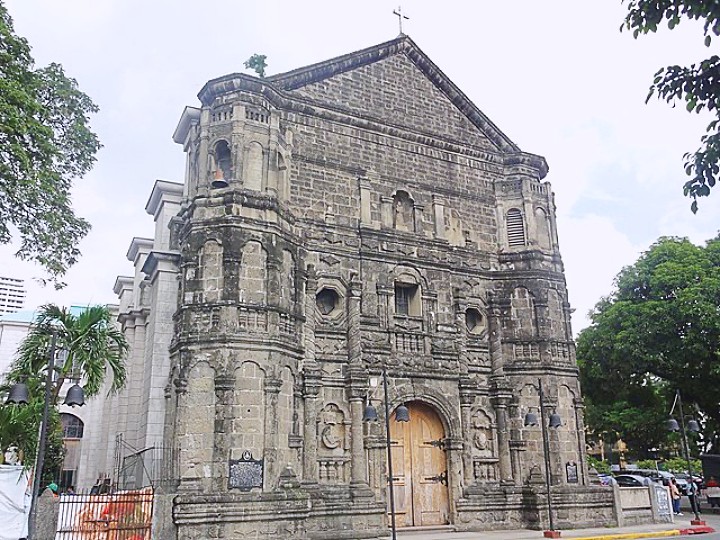
Our Lady of Remedies Parish (Malate Church)
2000 M.H. del Pilar St., Malate, Manila Facebook
Malate Church is one of only two churches in the entire Philippines with twisted columns on the facade, the other being Daraga Church in Albay. The Mexican Baroque exterior with Moorish influence, locally described as “mudejarisimo Filipino,” overlooks Plaza Rajah Sulayman and Manila Bay. The church has been destroyed and rebuilt multiple times since its founding in the 16th century, surviving British occupation, a typhoon in 1868, and the devastation of World War II. The revered image of Nuestra Señora de los Remedios, brought from Spain in 1624, is enshrined above the high altar and is especially venerated by mothers with sick children. On April 22, 2023, the National Museum of the Philippines declared it an Important Cultural Property.
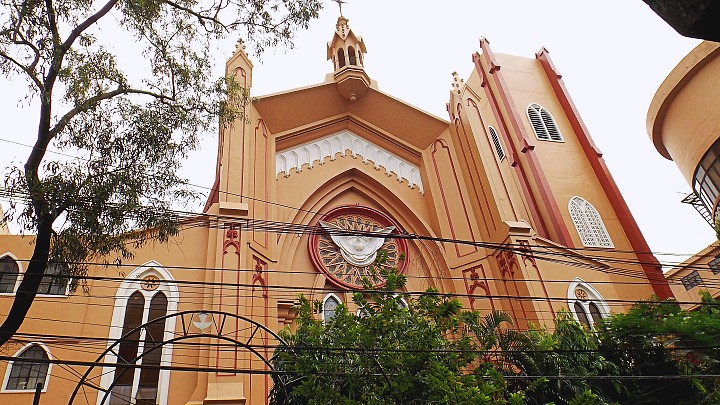
Parish and Archdiocesan Shrine of Espiritu Santo
1912 Rizal Ave., Santa Cruz, Manila Facebook
Espiritu Santo Parish was established on December 19, 1926, on the site of a former public cemetery that was closed due to health concerns in 1913. The church was fully completed and solemnly blessed on May 14, 1932. It remained standing and unscathed during the Japanese occupation and the Battle of Manila. The retablo of the Holy Spirit at the dome of the main altar, the stained glass windows depicting the 15 mysteries of the Rosary, and the fully rehabilitated 43-year-old pipe organ are among its most notable interior features. On June 8, 2014, Cardinal Tagle declared it the Archdiocesan Shrine of Espiritu Santo during the 88th fiesta anniversary.
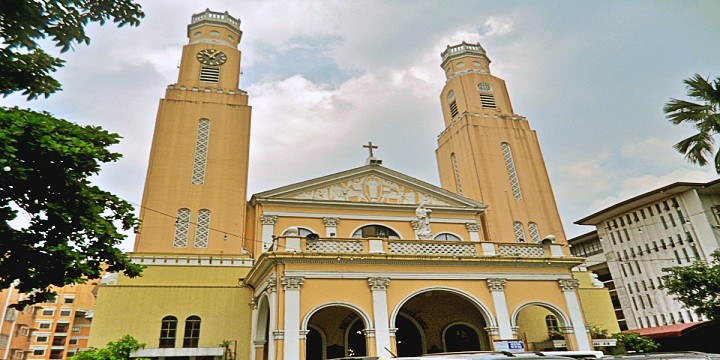
San Fernando De Dilao Parish (Paco Church)
1521 Paz St., Paco, Manila Facebook
Paco Church has one of the most storied histories among the beautiful churches in Manila. The first structure was built in 1580, and over the next three centuries it was attacked, burned, bombed, and rebuilt multiple times. The present church was completed in 1933 and consecrated in 1934, with a neoclassical facade flanked by tall twin belfries and a Romanesque-Byzantine interior with an Italian Baroque styled altar. From February 7, 2012, to April 9, 2014, it served as the pro-cathedral of the Archdiocese of Manila while Manila Cathedral was under structural renovation. A longstanding devotion at the church is to Nuestro Santo Padre Jesús del Sepulcro, a statue of the dead Christ in a wood and glass casket, making it a deeply fitting stop during Holy Week.
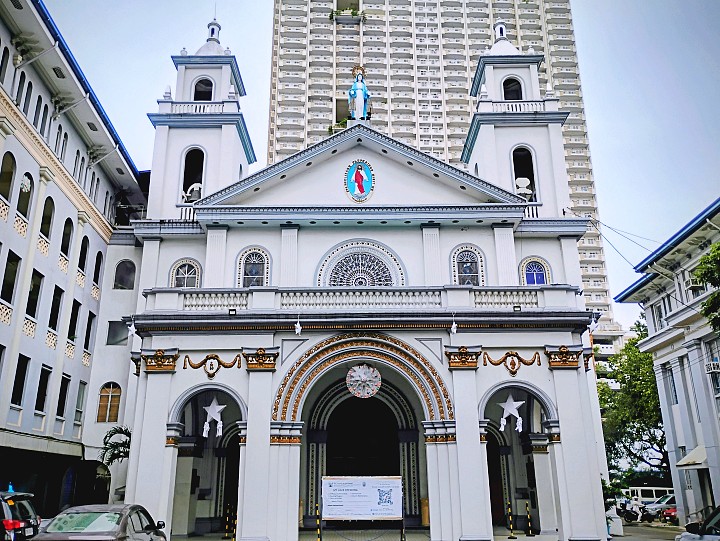
San Vicente de Paul Parish (Archdiocesan Shrine of Our Lady of the Miraculous Medal)
San Marcelino St., Ermita, Manila Facebook
San Vicente de Paul Church was built in 1912 and carries a double dedication to Saint Vincent de Paul and Our Lady of the Miraculous Medal. The Historical Research and Markers Committee recognized it as a historic site in 1935. During the Battle of Manila in 1945, the dome, belfries, and roof were badly damaged and were restored the following year. It was later declared an Archdiocesan Shrine.
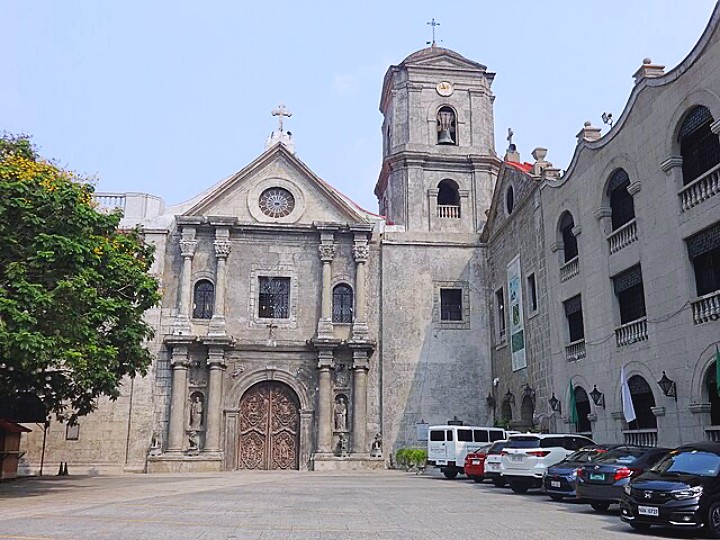
San Agustin Church
General Luna St., Intramuros, Manila Facebook
This is the oldest stone church in the Philippines and a UNESCO World Heritage Site. San Agustin Church was completed on January 19, 1607, making it over 400 years old. It is the only one of the seven churches of Intramuros to survive the devastation of the Battle of Manila in 1945. The interior is renowned for its trompe-l’œil paintings by two Italian artists that give the walls and ceiling the appearance of three-dimensional carved marble. Notable features include a Baroque pulpit with a native pineapple motif, a grand pipe organ, 17th-century choir seats carved in molave with ivory inlays, and 16 huge chandeliers from Paris. The church also contains the burial sites of Miguel López de Legazpi, Juan Luna, and other significant historical figures. In 1863, it was the only public building in Manila left undamaged by one of the strongest earthquakes on record. A 2022 study by home services website Angi named it the most beautiful building in the Philippines. Ending your Visita Iglesia in Manila route here feels exactly right.
Explore More Beautiful Churches in Metro Manila
Your Visita Iglesia journey doesn’t stop here. We’ve put together city-by-city guides to help you plan your Holy Week route across Metro Manila, one church at a time.
See All Beautiful Churches Here
Leave a Reply