
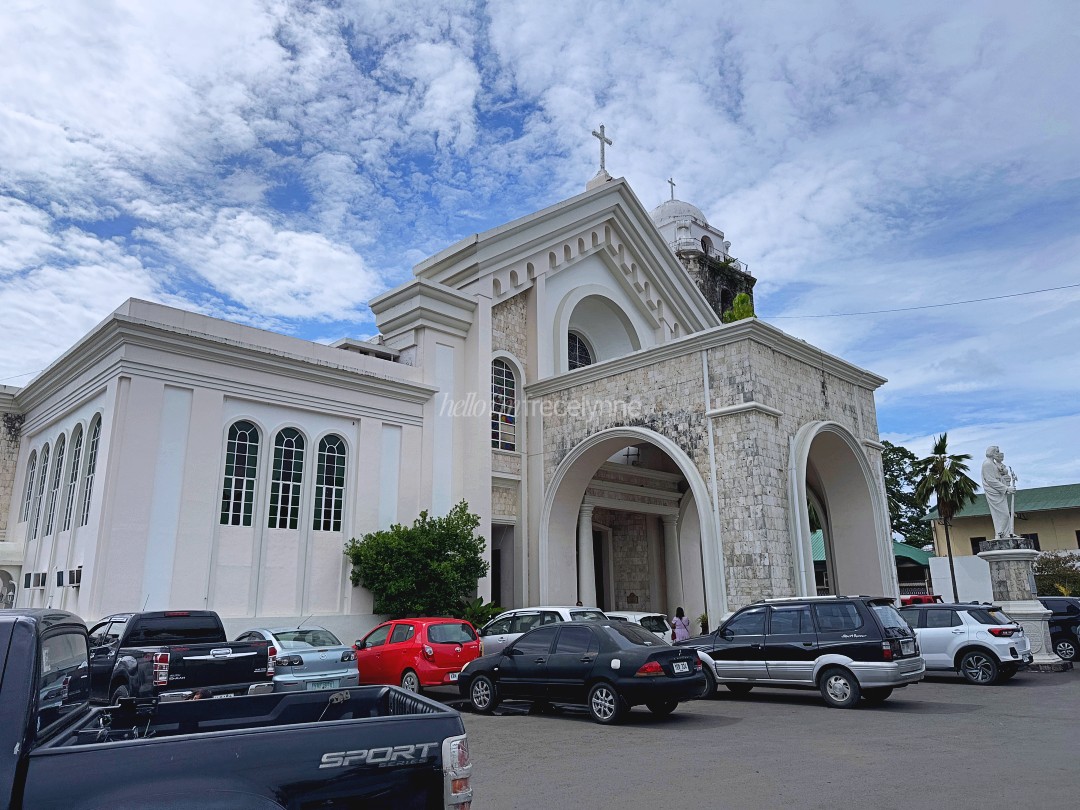
Some places don’t need a full afternoon to leave an impression. The Tagbilaran Cathedral, formally known as the Diocesan Shrine and Cathedral-Parish of Saint Joseph the Worker, is one of them. It sits right in the heart of Tagbilaran City in Poblacion, facing Plaza Rizal, and just a short walk from the National Museum of the Philippines Bohol. We stopped here as part of our time in the city, and even a brief visit gave us a real sense of what this place means to the people of Bohol.
Our Experience
We came straight from the National Museum, which made the pairing feel natural. The museum gave us the history of Bohol from the ground up, and then the cathedral gave us the spiritual layer that runs alongside all of it.
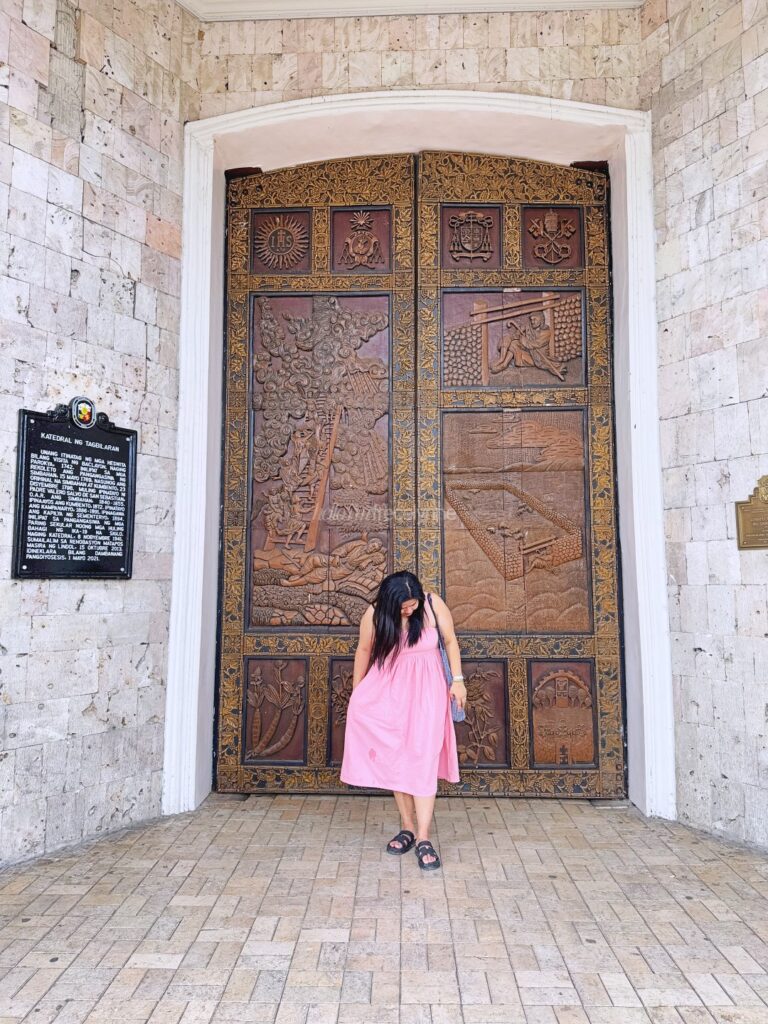
Walking in, the first thing that hits you is the quiet. The city outside is moving fast, but inside the cathedral, everything slows down. The ceiling is high, the light is soft, and there’s usually someone in the pews praying. It doesn’t feel like a tourist site. It feels like a place people actually come to.
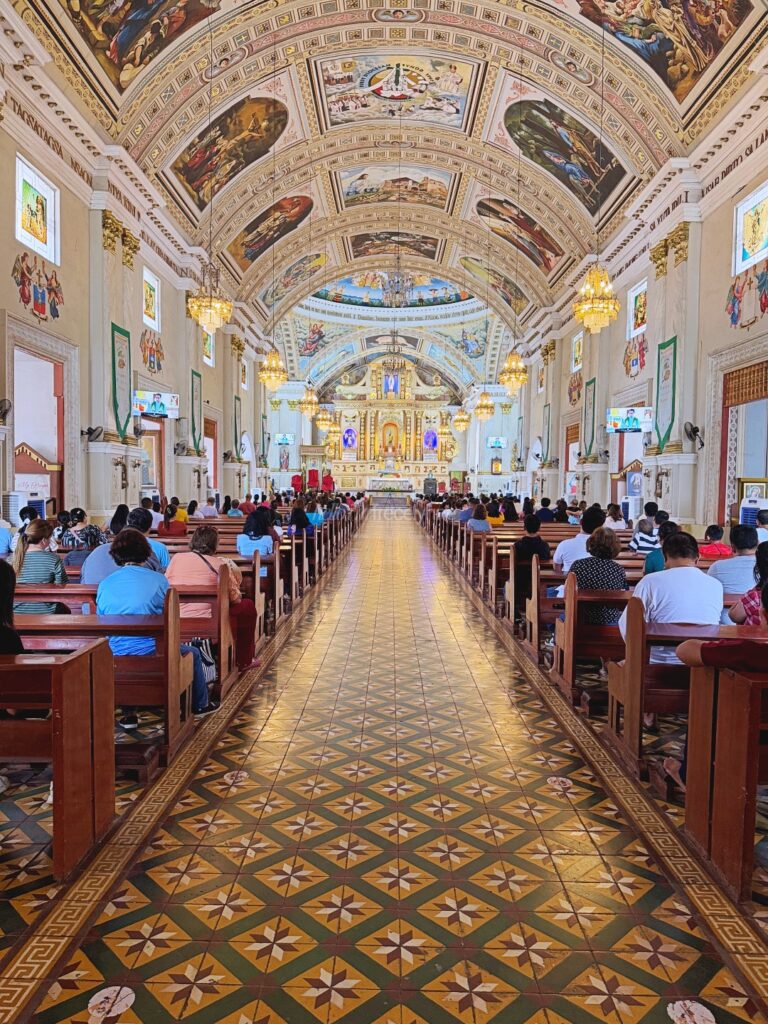
We spent time taking in the interior… the pastel ceiling paintings, the carved retablo at the altar dedicated to Saint Joseph, the stained glass panels along the sides. Everything has a distinctly Filipino quality to it. It doesn’t feel like a copy of a European church. It feels like something that grew here, adapted here, and belongs here.
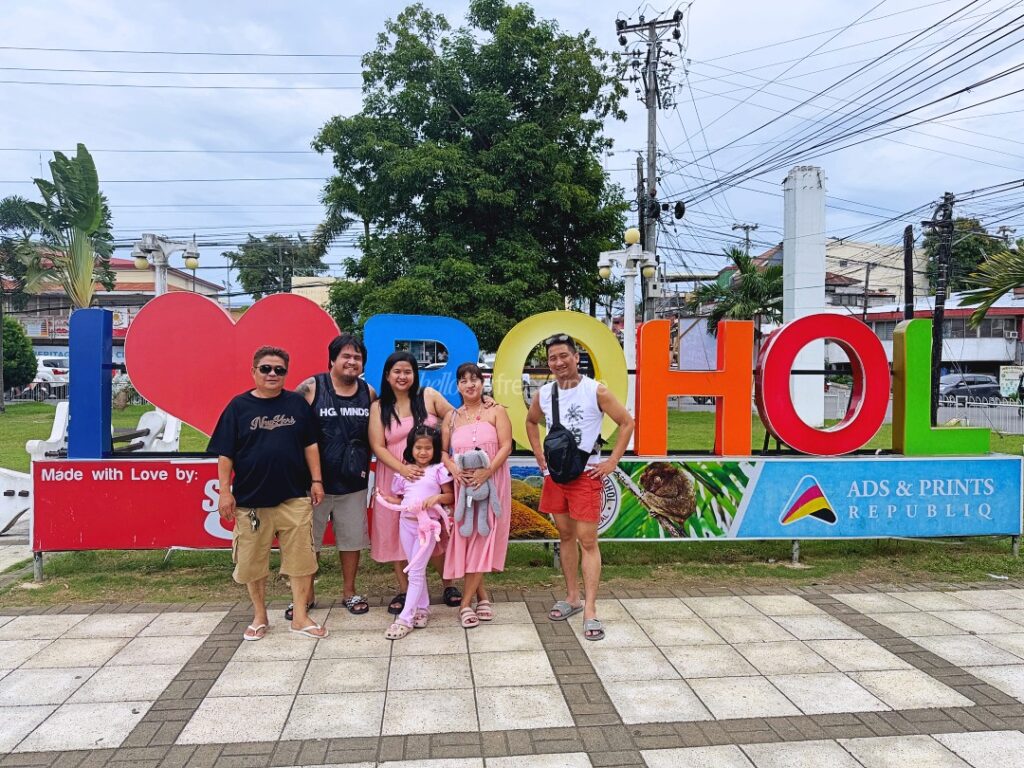
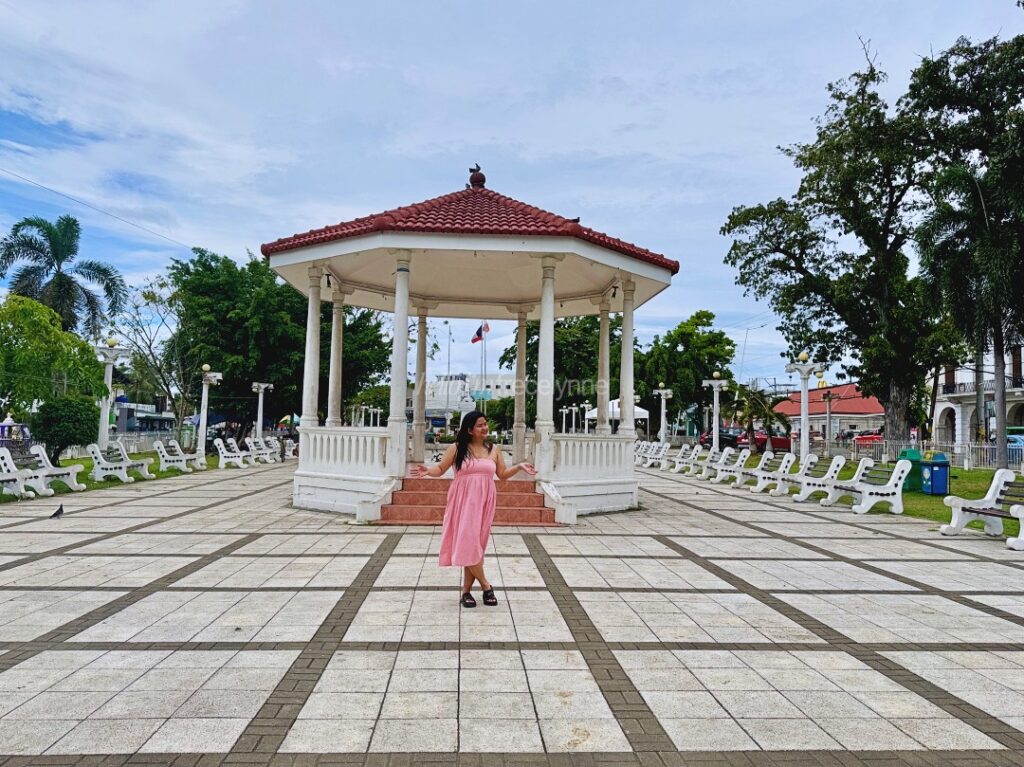
Plaza Rizal right outside is a nice place to sit for a few minutes after. There are shaded benches, a bit of garden, and a good view of the cathedral facade. Audrey ran around the plaza while Dee and I sat and took a breath. It was one of those small, unhurried moments that end up being a highlight of the day.
About the Tagbilaran Cathedral
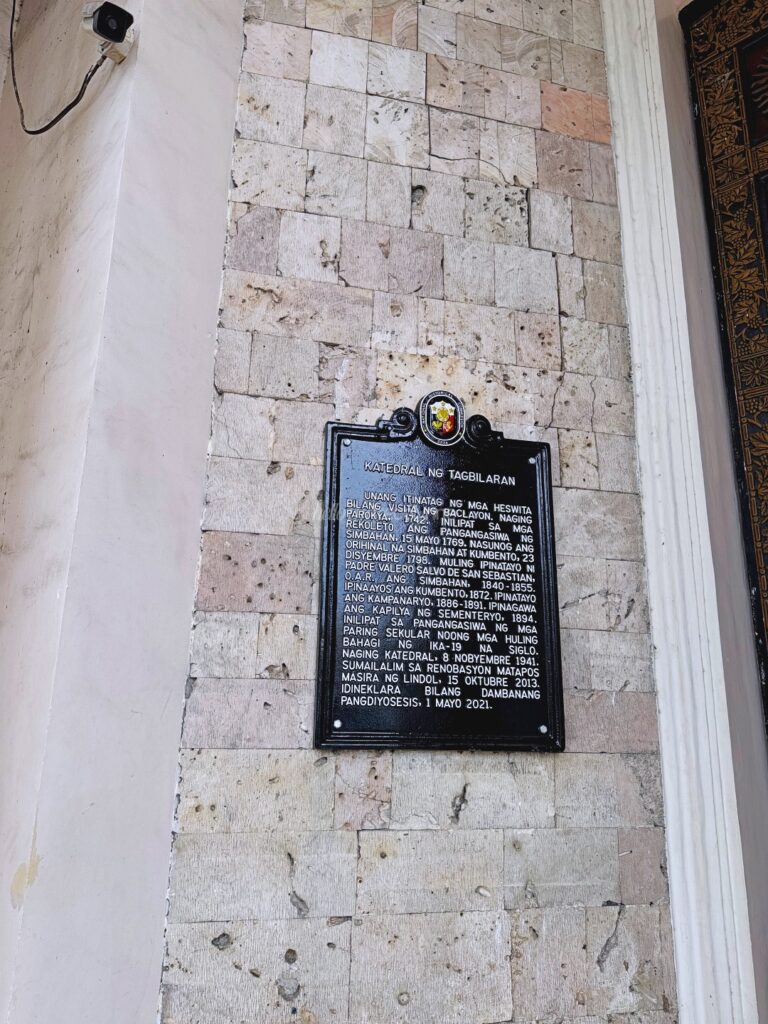
The Tagbilaran Cathedral traces its roots to 1595 when Jesuit missionaries founded one of six parishes in Bohol as part of their evangelization work across the Visayas. The current structure evolved over centuries, rebuilt and renovated through wars, earthquakes, and changing times. The Diocese of Tagbilaran was established in 1941, officially elevating the church to cathedral status and making it the seat of Catholic authority over Bohol’s western half.
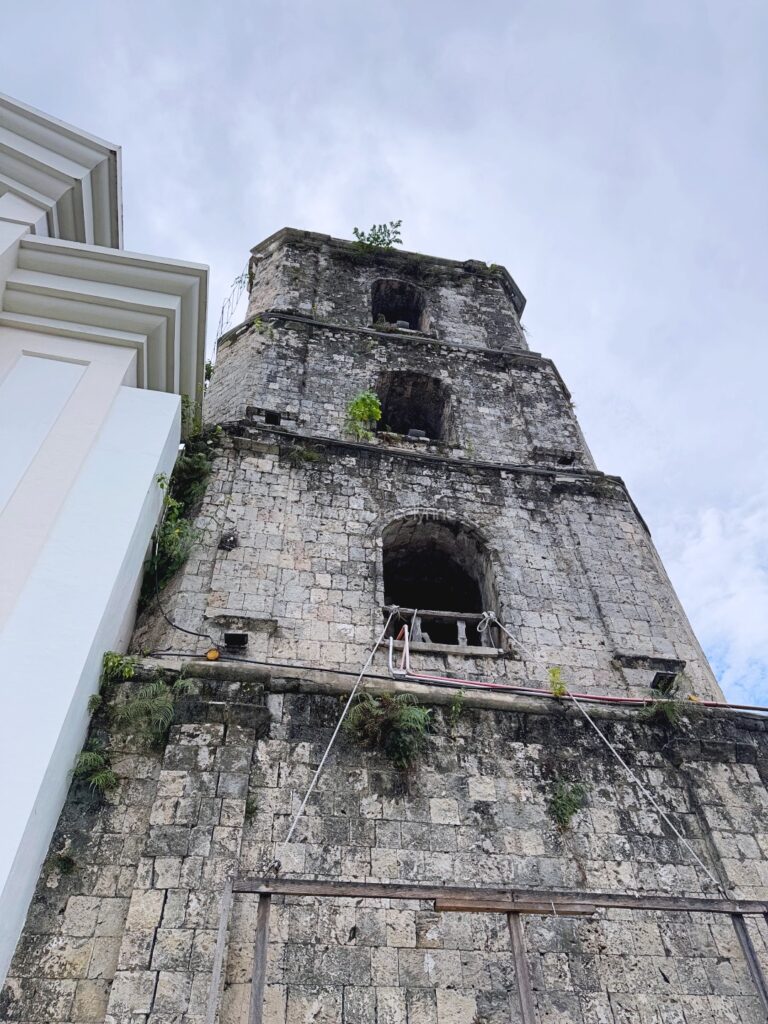
The building you see today reflects that long history. The lower portions use coral stone, a traditional Bohol building material that’s been used in churches across the Visayas for centuries. The upper levels incorporate concrete added during later restorations. After the devastating 7.2 magnitude Bohol earthquake in 2013 caused damage across the island, the cathedral underwent repairs and came back standing.
The cathedral is dedicated to Saint Joseph the Worker, the patron saint of Tagbilaran. Every May 1, the city celebrates its feast day with religious observances and community festivities that bring locals together in a way that’s very Filipino.
Beyond the architecture, this is an active place of worship. Daily masses run in the early morning and evening. Baptisms, weddings, and funerals happen here regularly. If you visit during a scheduled mass, you’re welcome to observe respectfully or join if you practice the faith. Either way, witnessing that is part of understanding Bohol’s cultural identity.
It’s worth noting that Bohol Island was recently declared the Philippines’ first UNESCO Global Geopark, a recognition that covers not just the island’s natural formations but its entire heritage. The cathedral is very much part of that story.
Planning Your Visit
The cathedral is open daily, with masses typically held at 5:00 to 6:00 AM and again in the evening around 5:00 to 6:00 PM. Outside of mass hours, you can visit freely and explore at your own pace.
Dress modestly. Covered shoulders and knees are the standard for any church visit in the Philippines. Keep your voice low, especially if there are people praying inside. Photography is generally fine for architectural details, but be mindful if a service is ongoing.
The best way to visit is to pair it with the National Museum of the Philippines Bohol, which is just a short walk away. Do the museum first for the historical context, then walk over to the cathedral. Add a sit-down at Plaza Rizal in between and you have a very easy, very rewarding two-hour cultural loop right in the center of Tagbilaran City.
It won’t take your whole day. But it will add something to it.
Leave a Reply